This Week in Classical Music: June 23, 2025. Miscellanea. Two composers were born this week: Benedetto Macello on June 24th (but maybe July 24th) of 1686 in Venice, and Gustave Charpentier on June 25th of 1860 in the French town of Dieuze. Marcello, a nobleman and amateur composer, was known for a setting of 50 psalms called “Estro Poetico-Armonico.” Interestingly, some of the psalms appear to be based on traditional Jewish tunes. Considering that Venice was the first city to segregate its Jews in a ghetto, this seems rather unusual. We’ll look into this and report back. In the meantime, here’s our earlier entry about Benedetto Marcello.
Gustave Charpentier was a French composer noted for his opera Louise (and shouldn’t be confused with the French composer of the Baroque era, Marc-Antoine Charpentier). Luise isn’t staged often these days, but one aria, Depuis le jour, is sung frequently as a concert piece. Here’s Anna Netrebko in her better years, doing a good job of it.
Three conductors were also born this week: James Levine on June 23rd of 1943 in Cincinnati, Ohio, Claudio Abbado on June 26th of 1933 in Milan, and Rafael Kubelik on June 29th of 1914 in Býchory, Bohemia, Austria-Hungary, now in the Czech Republic. The phenomenally talented Levine was the music director of the Metropolitan Opera for 40 years, from 1976 to 2016, when he was terminated over allegations of sexual misconduct. Levine made the Met orchestra into a world-class ensemble, was instrumental in developing the careers of many singers, and presided over some remarkable performances, including a great staging of Wagner’s Der Ring des Nibelungen. For several years, he was also the music director of the Boston Symphony Orchestra (and the first American-born person in that position). Though the rumors of Levine’s sexual misconduct persisted for years, they were ignored (and suppressed) by the Met management till publicly revealed in 2016. The allegations were so damaging that the Met had no choice but to let Levine go. In an overreaction, the Met also decided to wipe out all Levine’s recordings from the Met’s history. Soon it became obvious that, without Levine, there were not many things to broadcast, and his recordings were restored.
Claudio Abbado is one of our all-time favorite conductors; we’ve written about him and quoted his performances too many times to mention here.
Rafael Kubelik was born one day after the assassination of the Archduke Ferdinand. A month and a half later, the world descended into the Great War, and in another four years, the country of his birth was gone. After graduating from the Prague Conservatory, Kubelik, at the age of 25, became the music director of the Brno Opera. As the Nazis took over the Czech part of Czechoslovakia (Slovakia remained formally independent under a puppet regime), they closed the opera but allowed the Czech Philharmonic to continue operating. Kubelik became the principal conductor. It's said that he refused to give the Hitler salute to high Nazi officials (that could have cost him his life). He also didn’t perform Wagner’s music, so beloved by Hitler. In 1948, as the Czech Communists, organized and supported by Stalin’s Soviet Union, took over, Kubelik escaped to the UK. In 1950, he became the Music Director of the Chicago Symphony but left three years later. He then led the Covent Garden opera and the Bavarian Radio Symphony Orchestra (BRSO). He stayed in Munich for 18 years, till 1979. Under his baton, BRSO made several excellent recordings (he recorded all of Mahler’s symphonies with them). During his career, Kubelik guest-conducted all major symphony orchestras. Here’s the second movement of Bruckner’s Symphony no 3. Rafael Kubelik conducts the Bavarian Radio Symphony Orchestra.

Mescellanea, June 2025
This Week in Classical Music: June 23, 2025. Miscellanea. Two composers were born this week: Benedetto Macello on June 24th (but maybe July 24th) of 1686 in Venice, and Gustave Charpentier on June 25th of 1860 in the French town of Dieuze. Marcello, a nobleman and amateur composer, was known for a setting of 50 psalms called “Estro Poetico-Armonico.” Interestingly, some of the psalms appear to be based on traditional Jewish tunes. Considering that Venice was the first city to segregate its Jews in a ghetto, this seems rather unusual. We’ll look into this and report back. In the meantime, here’s our earlier entry about Benedetto Marcello.
Gustave Charpentier was a French composer noted for his opera Louise (and shouldn’t be confused with the French composer of the Baroque era, Marc-Antoine Charpentier). Luise isn’t staged often these days, but one aria, Depuis le jour, is sung frequently as a concert piece. Here’s Anna Netrebko in her better years, doing a good job of it.
Three conductors were also born this week: James Levine on June 23rd of 1943 in Cincinnati,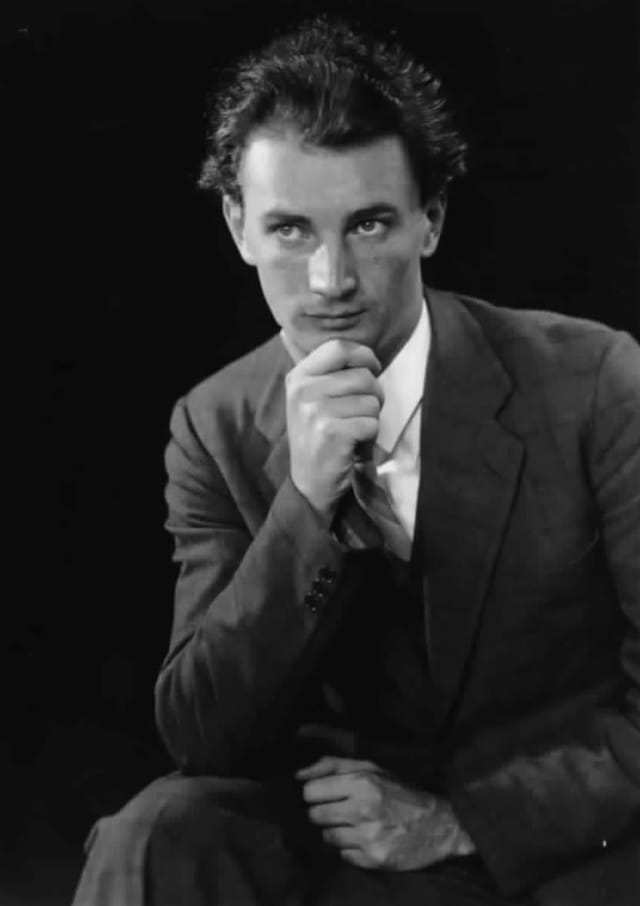 Ohio, Claudio Abbado on June 26th of 1933 in Milan, and Rafael Kubelik on June 29th of 1914 in Býchory, Bohemia, Austria-Hungary, now in the Czech Republic. The phenomenally talented Levine was the music director of the Metropolitan Opera for 40 years, from 1976 to 2016, when he was terminated over allegations of sexual misconduct. Levine made the Met orchestra into a world-class ensemble, was instrumental in developing the careers of many singers, and presided over some remarkable performances, including a great staging of Wagner’s Der Ring des Nibelungen. For several years, he was also the music director of the Boston Symphony Orchestra (and the first American-born person in that position). Though the rumors of Levine’s sexual misconduct persisted for years, they were ignored (and suppressed) by the Met management till publicly revealed in 2016. The allegations were so damaging that the Met had no choice but to let Levine go. In an overreaction, the Met also decided to wipe out all Levine’s recordings from the Met’s history. Soon it became obvious that, without Levine, there were not many things to broadcast, and his recordings were restored.
Claudio Abbado is one of our all-time favorite conductors; we’ve written about him and quoted his performances too many times to mention here.
Rafael Kubelik was born one day after the assassination of the Archduke Ferdinand. A month and a half later, the world descended into the Great War, and in another four years, the country of his birth was gone. After graduating from the Prague Conservatory, Kubelik, at the age of 25, became the music director of the Brno Opera. As the Nazis took over the Czech part of Czechoslovakia (Slovakia remained formally independent under a puppet regime), they closed the opera but allowed the Czech Philharmonic to continue operating. Kubelik became the principal conductor. It's said that he refused to give the Hitler salute to high Nazi officials (that could have cost him his life). He also didn’t perform Wagner’s music, so beloved by Hitler. In 1948, as the Czech Communists, organized and supported by Stalin’s Soviet Union, took over, Kubelik escaped to the UK. In 1950, he became the Music Director of the Chicago Symphony but left three years later. He then led the Covent Garden opera and the Bavarian Radio Symphony Orchestra (BRSO). He stayed in Munich for 18 years, till 1979. Under his baton, BRSO made several excellent recordings (he recorded all of Mahler’s symphonies with them). During his career, Kubelik guest-conducted all major symphony orchestras. Here’s the second movement of Bruckner’s Symphony no 3. Rafael Kubelik conducts the Bavarian Radio Symphony Orchestra.