This Week in Classical Music: June 8, 2026. Schulhoff, hoaxes, and more.Robert Schumann was born this week, on June 8th of 1810.He is, obviously, one of the greatest Romantic composers of the first half of the 19th century; we love him and have posted many entries dedicated to him.Richard Strauss was born half a century later, at the end of the Romantic period, on June 11th of 1864.Tomaso Albinoni lived two centuries earlier: he was born in Venice on June 8th of 1671.In our time, he’s famous undeservedly: the most often performed piece of music, practically invariably attributed to him – the so-called Adagio in G minor – wasn’t written by Albinoni but by one Remo Giazotto, a musicologist and his biographer.It’s one of the most famous musical hoaxes, on par with “Ave Maria by Giulio Caccini,” composed by Vladimir Vavilov, “Sicilienne by Maria Theresia von Paradis,” written by Samuel Dushkin, and some pieces by Fritz Kreisler, who attributed them to numerous known and unknown composers.Surprisingly, the Adagio myth is still perpetuated by many performers, promoters, classical radio stations, and otherwise reputable musical organizations.
The composer we’d like to present today is one of many musicians whose lives were catastrophically affected by the Nazis.Schulhoff was born in Prague, then part of Austria-Hungary, on June 8th of 1894.Like most Prague Jews of the time, his family was German-speaking (Kafka comes to mind, his friend Max Brod and the novelist Franz Werfel, all integral to German culture).A child prodigy, Schulhoff was noticed by Dvořák, studied with Smetana’s pupil, and went to Vienna to continue with the piano. A couple of years later, he moved to Germany, first to Leipzig, then to Cologne; he studied composition at the local conservatory, graduating in 1914 with prizes.At the beginning of the war, he was conscripted into the Austrian army and served for four years.The war politicized him, and Schulhoff turned to Socialism.In 1919, he moved again to Germany, this time to Dresden, where he had many friends.His early compositions were late-Romantic in style, but he was moving away from it.Two new directions affected Schulhoff: Dadaism, with its references to jazz, industrial noise, and rejection of tonality, and the Second Viennese School of Schoenberg.Two samples from the period give us a sense of how varied Schulhoff’s interests were: the Dada-influenced Ironien Op. 34, composed in 1920 (here), and the Schoenberg-affected Eleven Inventions, op. 36, written a year later (here).The pieces are as different as they are authentic, and we think, really good.
In 1923, Schulhoff returned to Prague and to the Czech musical tradition, changing his style again.He became a professor at the Prague Conservatory, befriended Janáček, and actively participated in the musical life of Czechoslovakia.Musically, he was moving toward neo-classicism, as we can hear in this piece, Concerto for String Quartet and Wind Orchestra from 1930, though the finale echoes his Dada period.Stravinsky was, clearly, a strong influence (here).
The last decade of Schulhoff’s life was sad.He became ever more active in politics, moving further left; he even wrote Das Manifest, a cantata on the text of the Communist Manifesto by Marx and Engels.In 1933, he visited the Soviet Union and embraced Stalin’s Socialist Realism.He didn’t compose anything interesting from that point on.And his political activism led to problems with the authorities.Things got much worse in 1939, when Nazi Germany invaded Czechoslovakia.Schulhoff tried to emigrate, either to the West or the Soviet Union, where his petition was approved.He never made it, as, in early 1941, he was arrested.In June of that year, he was deported to a prison in Bavaria.Three months later, he died of tuberculosis.

Schulhoff, 2026
This Week in Classical Music: June 8, 2026. Schulhoff, hoaxes, and more. Robert Schumann was born this week, on June 8th of 1810. He is, obviously, one of the greatest Romantic composers of the first half of the 19th century; we love him and have posted many entries dedicated to him. Richard Strauss was born half a century later, at the end of the Romantic period, on June 11th of 1864. Tomaso Albinoni lived two centuries earlier: he was born in Venice on June 8th of 1671. In our time, he’s famous undeservedly: the most often performed piece of music, practically invariably attributed to him – the so-called Adagio in G minor – wasn’t written by Albinoni but by one Remo Giazotto, a musicologist and his biographer. It’s one of the most famous musical hoaxes, on par with “Ave Maria by Giulio Caccini,” composed by Vladimir Vavilov, “Sicilienne by Maria Theresia von Paradis,” written by Samuel Dushkin, and some pieces by Fritz Kreisler, who attributed them to numerous known and unknown composers. Surprisingly, the Adagio myth is still perpetuated by many performers, promoters, classical radio stations, and otherwise reputable musical organizations.
The composer we’d like to present today is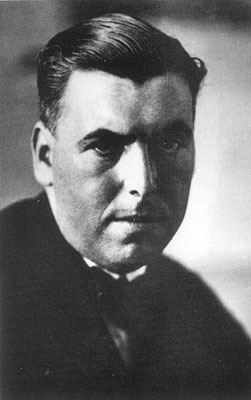 one of many musicians whose lives were catastrophically affected by the Nazis. Schulhoff was born in Prague, then part of Austria-Hungary, on June 8th of 1894. Like most Prague Jews of the time, his family was German-speaking (Kafka comes to mind, his friend Max Brod and the novelist Franz Werfel, all integral to German culture). A child prodigy, Schulhoff was noticed by Dvořák, studied with Smetana’s pupil, and went to Vienna to continue with the piano. A couple of years later, he moved to Germany, first to Leipzig, then to Cologne; he studied composition at the local conservatory, graduating in 1914 with prizes. At the beginning of the war, he was conscripted into the Austrian army and served for four years. The war politicized him, and Schulhoff turned to Socialism. In 1919, he moved again to Germany, this time to Dresden, where he had many friends. His early compositions were late-Romantic in style, but he was moving away from it. Two new directions affected Schulhoff: Dadaism, with its references to jazz, industrial noise, and rejection of tonality, and the Second Viennese School of Schoenberg. Two samples from the period give us a sense of how varied Schulhoff’s interests were: the Dada-influenced Ironien Op. 34, composed in 1920 (here), and the Schoenberg-affected Eleven Inventions, op. 36, written a year later (here). The pieces are as different as they are authentic, and we think, really good.
In 1923, Schulhoff returned to Prague and to the Czech musical tradition, changing his style again. He became a professor at the Prague Conservatory, befriended Janáček, and actively participated in the musical life of Czechoslovakia. Musically, he was moving toward neo-classicism, as we can hear in this piece, Concerto for String Quartet and Wind Orchestra from 1930, though the finale echoes his Dada period. Stravinsky was, clearly, a strong influence (here).
The last decade of Schulhoff’s life was sad. He became ever more active in politics, moving further left; he even wrote Das Manifest, a cantata on the text of the Communist Manifesto by Marx and Engels. In 1933, he visited the Soviet Union and embraced Stalin’s Socialist Realism. He didn’t compose anything interesting from that point on. And his political activism led to problems with the authorities. Things got much worse in 1939, when Nazi Germany invaded Czechoslovakia. Schulhoff tried to emigrate, either to the West or the Soviet Union, where his petition was approved. He never made it, as, in early 1941, he was arrested. In June of that year, he was deported to a prison in Bavaria. Three months later, he died of tuberculosis.