This Week in Classical Music: August 11, 2025. On Musical Diversity. This week presents us with a group of composers who demonstrate the infinite diversity of music - not the artificial diversity that became fashionable in the early 2020s, but the genuine kind: the diversity of sound, style, and idiom. History selected this group for us, and we couldn’t have done much better ourselves. None of our composers belong to the Pantheon of the “greats,” but all were talented, and their music represents the period, the place, and, of course, their creativity. The mix is unusual as there are three Englishmen and not a single German, and while they span four centuries, some periods are missing. Even with these caveats, this accidental group represents tremendous variety. The oldest of our composers is Heinrich Ignaz Biber, an Austrian who was also a talented violinist; he was born in Bohemia on August 12th of 1644. His best-known compositions are a set of violin pieces titled “Rosary Sonatas.” Biber, like his contemporary Arcangelo Corelli, also a composer-violinist, worked in the Baroque style. Here’s one of the Rosary sonatas, no. 3.
Nicola Porpora, an Italian, was born 42 years after Biber, on August 17th of 1686. Porpora was born in Naples, a city famous for its opera and its singers. Porpora composed dozens of operas and was Handel’s rival in London. He was renowned as a voice teacher: among his students were Farinelli and Caffarelli, two of the most famous castrati singers. He also taught several composers, Haydn among them. Here’s the aria Alto Giove, from Porpora’s opera Poliferno. It’s also “baroque,” like Biber’s compositions, but how different in every sense!
Maurice Greene was just 10 years younger than Porpora (he was born on August 12th of 1696, in London). Greene is known for his anthems, of which Lord, Let Me Know Mine End is probably the most popular (here).
We have to jump over two centuries to get to Gabriel Pierné, a French composer born on August 16th of 1863, in Metz, capital of Lorraine. Seven years later, Lorraine was annexed by the victorious Germans, and Piernés moved to Paris. Gabriel studied with Jules Massenet and César Franck at the Paris Conservatory and won the Prix de Rome. Here’s the second movement of Pierné’s Piano Quintet.
Two Brits follow: Samuel Coleridge-Taylor, born on August 15th of 1875, and that most idiosyncratic of the composers, Kaikhosru Shapurji Sorabji; he was born August 14th, 1892. Coleridge-Taylor was biracial (his mother was English, his father – a descendant of freed slaves who settled in Sierra Leone). He was a popular composer, probably more so in the US than in the UK (it was a New York critic who called Coleridge-Taylor the “African Mahler”; during one of his trips to the US, he was invited to dinner by President Theodore Roosevelt). Like Coleridge-Taylor, Sorabji was also biracial, though it’s rarely brought up: his father was a Parsi from Bombay, his mother was English. Sorabji wrote some of the longest pieces in the history of Western music. His extravagantly titled work, Opus Clavicembalisticum, was once listed in the Guinness Book of Records as the longest piano piece ever composed: the complete performance runs about four hours. Here’s a much shorter piece, the first part of Sorabji’s Piano Sonata no. 1.
Finally, two more. An eclectic and delightful Frenchman, Jacques Ibert, born on August 15th of 1890, and Lukas Foss, one of the most original composers of his generation, who was born on the same day in 1922. Foss, a Jewish Berliner, emigrated to the US in 1937. Here’s Foss’s Thirteen Ways of Looking at a Blackbird. Let’s look back at where we started and compare Foss’s song with the pieces for the voice by Porpora and Green. This is what we call real diversity.

On Musical Diversity, 2025
This Week in Classical Music: August 11, 2025. On Musical Diversity. This week presents us with a group of composers who demonstrate the infinite diversity of music - not the artificial diversity that became fashionable in the early 2020s, but the genuine kind: the diversity of sound,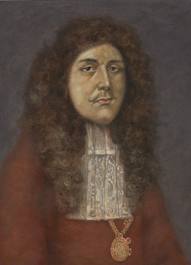 style, and idiom. History selected this group for us, and we couldn’t have done much better ourselves. None of our composers belong to the Pantheon of the “greats,” but all were talented, and their music represents the period, the place, and, of course, their creativity. The mix is unusual as there are three Englishmen and not a single German, and while they span four centuries, some periods are missing. Even with these caveats, this accidental group represents tremendous variety. The oldest of our composers is Heinrich Ignaz Biber, an Austrian who was also a talented violinist; he was born in Bohemia on August 12th of 1644. His best-known compositions are a set of violin pieces titled “Rosary Sonatas.” Biber, like his contemporary Arcangelo Corelli, also a composer-violinist, worked in the Baroque style. Here’s one of the Rosary sonatas, no. 3.
Nicola Porpora, an Italian, was born 42 years after Biber, on August 17th of 1686. Porpora was born in Naples, a city famous for its opera and its singers. Porpora composed dozens of operas and was Handel’s rival in London. He was renowned as a voice teacher: among his students were Farinelli and Caffarelli, two of the most famous castrati singers. He also taught several composers, Haydn among them. Here’s the aria Alto Giove, from Porpora’s opera Poliferno. It’s also “baroque,” like Biber’s compositions, but how different in every sense!
Maurice Greene was just 10 years younger than Porpora (he was born on August 12th of 1696, in London). Greene is known for his anthems, of which Lord, Let Me Know Mine End is probably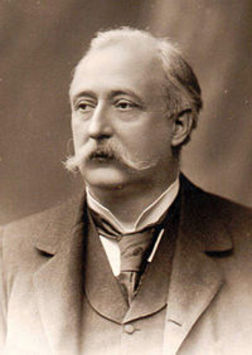 the most popular (here).
We have to jump over two centuries to get to Gabriel Pierné, a French composer born on August 16th of 1863, in Metz, capital of Lorraine. Seven years later, Lorraine was annexed by the victorious Germans, and Piernés moved to Paris. Gabriel studied with Jules Massenet and César Franck at the Paris Conservatory and won the Prix de Rome. Here’s the second movement of Pierné’s Piano Quintet.
Two Brits follow: Samuel Coleridge-Taylor, born on August 15th of 1875, and that most idiosyncratic of the composers, Kaikhosru Shapurji Sorabji; he was born August 14th, 1892. Coleridge-Taylor was biracial (his mother was English, his father – a descendant of freed slaves who settled in Sierra Leone). He was a popular composer, probably more so in the US than in the UK (it was a New York critic who called Coleridge-Taylor the “African Mahler”; during one of his trips to the US, he was invited to dinner by President Theodore Roosevelt). Like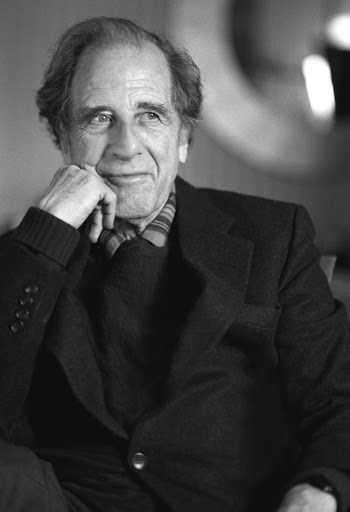 Coleridge-Taylor, Sorabji was also biracial, though it’s rarely brought up: his father was a Parsi from Bombay, his mother was English. Sorabji wrote some of the longest pieces in the history of Western music. His extravagantly titled work, Opus Clavicembalisticum, was once listed in the Guinness Book of Records as the longest piano piece ever composed: the complete performance runs about four hours. Here’s a much shorter piece, the first part of Sorabji’s Piano Sonata no. 1.
Finally, two more. An eclectic and delightful Frenchman, Jacques Ibert, born on August 15th of 1890, and Lukas Foss, one of the most original composers of his generation, who was born on the same day in 1922. Foss, a Jewish Berliner, emigrated to the US in 1937. Here’s Foss’s Thirteen Ways of Looking at a Blackbird. Let’s look back at where we started and compare Foss’s song with the pieces for the voice by Porpora and Green. This is what we call real diversity.