This Week in Classical Music: August 25, 2025. Krenek. Last week marked the 125th anniversary of the Austrian-American composer Ernst Krenek, and we’re following up on our promise to mark it this week. Krenek, whose name is pronounced krzhenek was born Křenek, and the Czech letter ř is pronounced as “r-zh” as, for example, in Antonín Dvořák’s last name (Krenek’s father was Czech). Krenek replaced ř with an r when he moved to the US. One of the reasons we wanted to get back to Krenek is that we believe he’s a talented composer who’s seriously underappreciated. Krenek was one of the most prolific composers of the 20th century, and, at some points in his career, one of the most celebrated. He composed in many different styles, but he’s not the only composer with creative flexibility: Stravinsky, for example, also went through distinctly different periods. And like Stravinsky, Krenek experimented with such different idioms as atonal and Neo-Classical, though Krenek started with the atonal, while Stravinsky came to it later in his career. These days, Krenek’s music is rarely performed, which is a pity.
Krenek was born in Vienna on August 23rd of 1900. He studied with the then-famous composer Franz Schreker, practically forgotten today. During WWI, he was drafted into the Austrian army but spent most of the time in Vienna, continuing his studies. In 1920, he followed Schreker to Berlin, where he was introduced to many musicians; there he met Alma Mahler, Gustav’s widow, and her daughter Anna. By the time they met, Alma had already divorced her second husband, the architect Walter Gropius, and was living with the poet Franz Werfel. Krenek fell in love with Anna and married her in 1924, though their marriage fell apart a few months later. That aside, his time in Berlin was very productive: Krenek wrote 18 large-scale pieces between 1921 and 1924, many of which were radically atonal and influenced by Schoenberg. At Alma’s request, he attempted to complete Mahler’s unfinished 10th Symphony, but dropped the project as he realized that most of it was too underdeveloped.
In 1925, Krenek traveled to Paris where he met the composers of Les Six; under their influence, he decided that his music should be more accessible and wrote a “jazz-opera” Jonny spielt auf (Jonny Plays), which became very popular. Krenek followed it up with three more one-act operas, one of them, Der Diktator, based on the life of Mussolini. In 1928, Krenek returned to Vienna, where he befriended Berg and Webern. He became interested in the 12-tone technique, a form of serialism which attempts to give each of the 12 notes of the scale equal weight. In 1933, he wrote an opera. Karl V, using this technique. Its premiere in Vienna was cancelled (the politics of art, following politics in general at the time, were turning toward things simple and nationalistic), but it was staged in Prague in 1938. Needless to say, it never gained the popularity of Jonny spielt auf. The Nazis labeled Krenek’s music “radical” (they also claimed that Krenek was Jewish, which he wasn’t). Things were getting difficult in Austria as well, and soon after the Anschluss, Krenek emigrated to the US. He taught in several conservatories and universities and eventually settled in Los Angeles (he moved to Chicago in 1949 to teach at the Chicago Musical College but returned to the West Coast because of the cold winters). He taught at Darmstadt in the early 1950s (Boulez and Stockhausen were among the attendees), continued composing using the serial technique, and experimented with electronic music. His last piece was written when Krenek was 88. He died in Palm Springs on December 22nd of 1991. Here’s an excerpt from Krenek’s Lamentatio Jeremiae prophetae for the unaccompanied choir. Lamentations contains the music for three days of Holy Week: Maundy Thursday, Good Friday, and Holy Saturday. This is the Good Friday section. The piece was written in 1941 in New York, during a difficult period in Krenek’s life, but also the one that provided him with access to the music of Ockeghem, the polyphony of which influenced Lamentations. The music is atonal and complex, but we find it very interesting.

Krenek, 2025
This Week in Classical Music: August 25, 2025. Krenek. Last week marked the 125th anniversary of the Austrian-American composer Ernst Krenek, and we’re following up on our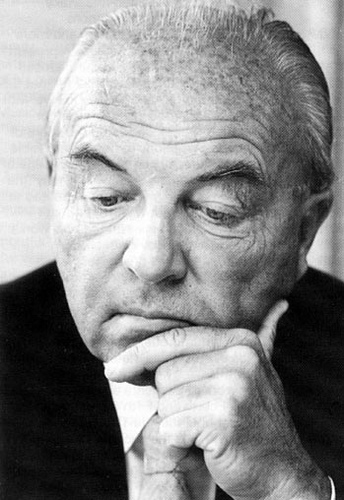 promise to mark it this week. Krenek, whose name is pronounced krzhenek was born Křenek, and the Czech letter ř is pronounced as “r-zh” as, for example, in Antonín Dvořák’s last name (Krenek’s father was Czech). Krenek replaced ř with an r when he moved to the US. One of the reasons we wanted to get back to Krenek is that we believe he’s a talented composer who’s seriously underappreciated. Krenek was one of the most prolific composers of the 20th century, and, at some points in his career, one of the most celebrated. He composed in many different styles, but he’s not the only composer with creative flexibility: Stravinsky, for example, also went through distinctly different periods. And like Stravinsky, Krenek experimented with such different idioms as atonal and Neo-Classical, though Krenek started with the atonal, while Stravinsky came to it later in his career. These days, Krenek’s music is rarely performed, which is a pity.
Krenek was born in Vienna on August 23rd of 1900. He studied with the then-famous composer Franz Schreker, practically forgotten today. During WWI, he was drafted into the Austrian army but spent most of the time in Vienna, continuing his studies. In 1920, he followed Schreker to Berlin, where he was introduced to many musicians; there he met Alma Mahler, Gustav’s widow, and her daughter Anna. By the time they met, Alma had already divorced her second husband, the architect Walter Gropius, and was living with the poet Franz Werfel. Krenek fell in love with Anna and married her in 1924, though their marriage fell apart a few months later. That aside, his time in Berlin was very productive: Krenek wrote 18 large-scale pieces between 1921 and 1924, many of which were radically atonal and influenced by Schoenberg. At Alma’s request, he attempted to complete Mahler’s unfinished 10th Symphony, but dropped the project as he realized that most of it was too underdeveloped.
In 1925, Krenek traveled to Paris where he met the composers of Les Six; under their influence, he decided that his music should be more accessible and wrote a “jazz-opera” Jonny spielt auf (Jonny Plays), which became very popular. Krenek followed it up with three more one-act operas, one of them, Der Diktator, based on the life of Mussolini. In 1928, Krenek returned to Vienna, where he befriended Berg and Webern. He became interested in the 12-tone technique, a form of serialism which attempts to give each of the 12 notes of the scale equal weight. In 1933, he wrote an opera. Karl V, using this technique. Its premiere in Vienna was cancelled (the politics of art, following politics in general at the time, were turning toward things simple and nationalistic), but it was staged in Prague in 1938. Needless to say, it never gained the popularity of Jonny spielt auf. The Nazis labeled Krenek’s music “radical” (they also claimed that Krenek was Jewish, which he wasn’t). Things were getting difficult in Austria as well, and soon after the Anschluss, Krenek emigrated to the US. He taught in several conservatories and universities and eventually settled in Los Angeles (he moved to Chicago in 1949 to teach at the Chicago Musical College but returned to the West Coast because of the cold winters). He taught at Darmstadt in the early 1950s (Boulez and Stockhausen were among the attendees), continued composing using the serial technique, and experimented with electronic music. His last piece was written when Krenek was 88. He died in Palm Springs on December 22nd of 1991. Here’s an excerpt from Krenek’s Lamentatio Jeremiae prophetae for the unaccompanied choir. Lamentations contains the music for three days of Holy Week: Maundy Thursday, Good Friday, and Holy Saturday. This is the Good Friday section. The piece was written in 1941 in New York, during a difficult period in Krenek’s life, but also the one that provided him with access to the music of Ockeghem, the polyphony of which influenced Lamentations. The music is atonal and complex, but we find it very interesting.