This Week in Classical Music: August 31, 2025. Bruckner and conductors. Last year, we celebrated Bruckner’s 200th anniversary (here). As we approached this year’s anniversary, we noticed that the only mature symphony that is still missing from our library is Symphony no.8 (there’s also a case of the so-called “Symphony 00,” an early composition, but we’ll get to it another time).The Eighth Symphony was the last complete symphony composed by Bruckner: he wrote the first three movements of the Ninth Symphony, but never finished the fourth, the finale.Bruckner started working on the Eighth in 1884, soon after the completion of the very successful Seventh.It took him three years to finish, but when he submitted the score to the conductor Hermann Levi, a long-time supporter, complications arose.Levi, who, by the way, was also an admirer of the music of Wagner (Levi being Jewish and Wagner an antisemite), told Bruckner that he could not perform the latest symphony, as, in his opinion, its orchestration was incomprehensible.Bruckner, a neurotic who constantly doubted his own talent, accepted the criticism and began reworking the symphony.The next version was completed in 1890 (while he was working on the Eighth, he also revisited his Third and Fourth).The premiere was conducted not by Levi but by Hans Richter in Vienna in December of 1892.Eduard Hanslick, an influential Austrian critic who supported the music of Brahms but derided Wagner and Bruckner, called the Eighth “as a whole… repellent,” but there were some positive reviews as well (Hugo Wolf, for example, liked it a lot).Here’s the symphony in the performance by the Vienna Philharmonic under the direction of Pierre Boulez: I. Allegro moderato, II. Scherzo, III. Adagio, and IV. Finale. This live recording was made in Linz on the occasion of the hundredth anniversary of the death of Anton Bruckner
Also, today is a special “Conductors Day”: three were born on this day: Tullio Serafin in 1878, Seiji Ozawa in 1935, and Leonard Slatkin in 1944.We looked around, but it seems none of them ever recorded Bruckner’s Ninth, though Ozawa did record several of Bruckner’s symphonies.Serafin was one of the best opera conductors of the 20th century and led the ensembles of the Teatro della Scala for many years.Not only did he lead opera performances, he was also a coach, developing the talents of Maria Callas and Renata Tebaldi, among others.During his 60-year career, he worked with such singers as Enrico Caruso, Rosa Ponselle, Beniamino Gigli, Joan Sutherland, and Luciano Pavarotti.Serafin had 243 operas in his repertoire.He was almost 90 when he died in Rome in 1968.
Seiji Ozawa led the Boston Symphony for 29 years, from 1973 to 2002.Many people criticized him, especially at the end of his tenure in Boston, but we heard him in Musikverein, Vienna, on March 24th of 1998, conducting Mahler’s Symphony no. 3, and it was extremely good.We can forgive him many things for that one performance.Ozawa died in Tokyo in 2024 at the age of 88.
Leonard Slatkin is very much with us.He was the music director of the St. Louis Symphony from 1979 to 1996, and we think these were the best days in the orchestra’s history.He also led the National Symphony Orchestra, succeeding Mstislav Rostropovich, from 1996 to 2008. These days, Slatkin advises orchestras and runs a radio program.

Bruckner, 2025
This Week in Classical Music: August 31, 2025. Bruckner and conductors. Last year, we celebrated Bruckner’s 200th anniversary (here). As we approached this year’s anniversary, we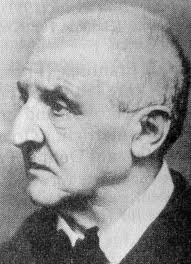 noticed that the only mature symphony that is still missing from our library is Symphony no. 8 (there’s also a case of the so-called “Symphony 00,” an early composition, but we’ll get to it another time). The Eighth Symphony was the last complete symphony composed by Bruckner: he wrote the first three movements of the Ninth Symphony, but never finished the fourth, the finale. Bruckner started working on the Eighth in 1884, soon after the completion of the very successful Seventh. It took him three years to finish, but when he submitted the score to the conductor Hermann Levi, a long-time supporter, complications arose. Levi, who, by the way, was also an admirer of the music of Wagner (Levi being Jewish and Wagner an antisemite), told Bruckner that he could not perform the latest symphony, as, in his opinion, its orchestration was incomprehensible. Bruckner, a neurotic who constantly doubted his own talent, accepted the criticism and began reworking the symphony. The next version was completed in 1890 (while he was working on the Eighth, he also revisited his Third and Fourth). The premiere was conducted not by Levi but by Hans Richter in Vienna in December of 1892. Eduard Hanslick, an influential Austrian critic who supported the music of Brahms but derided Wagner and Bruckner, called the Eighth “as a whole… repellent,” but there were some positive reviews as well (Hugo Wolf, for example, liked it a lot). Here’s the symphony in the performance by the Vienna Philharmonic under the direction of Pierre Boulez: I. Allegro moderato, II. Scherzo, III. Adagio, and IV. Finale. This live recording was made in Linz on the occasion of the hundredth anniversary of the death of Anton Bruckner
Also, today is a special “Conductors Day”: three were born on this day: Tullio Serafin in 1878, Seiji Ozawa in 1935, and Leonard Slatkin in 1944. We looked around, but it seems none of them ever recorded Bruckner’s Ninth, though Ozawa did record several of Bruckner’s symphonies. Serafin was one of the best opera conductors of the 20th century and led the ensembles of the Teatro della Scala for many years. Not only did he lead opera performances, he was also a coach, developing the talents of Maria Callas and Renata Tebaldi, among others. During his 60-year career, he worked with such singers as Enrico Caruso, Rosa Ponselle, Beniamino Gigli, Joan Sutherland, and Luciano Pavarotti. Serafin had 243 operas in his repertoire. He was almost 90 when he died in Rome in 1968.
Seiji Ozawa led the Boston Symphony for 29 years, from 1973 to 2002. Many people criticized him, especially at the end of his tenure in Boston, but we heard him in Musikverein, Vienna, on March 24th of 1998, conducting Mahler’s Symphony no. 3, and it was extremely good. We can forgive him many things for that one performance. Ozawa died in Tokyo in 2024 at the age of 88.
Leonard Slatkin is very much with us. He was the music director of the St. Louis Symphony from 1979 to 1996, and we think these were the best days in the orchestra’s history. He also led the National Symphony Orchestra, succeeding Mstislav Rostropovich, from 1996 to 2008. These days, Slatkin advises orchestras and runs a radio program.