This Week in Classical Music: September 29, 2025. Three pianists.We’ve been ignoring the pianists for quite a while, so this week we’ll cover both the current and previous ones.Glenn Gould was born on September 25th of 1932.He was born Glenn Gold in Toronto, but his family wasn’t Jewish: Gold was anglicized from Grieg, and Glenn’s father was a distant relative of the great Norwegian.In 1939, the Golds changed their name to Gould precisely because Gold sounded too Jewish, not a good thing in the antisemitic atmosphere of Toronto at the time.(One might say that things haven’t changed much since then, given the country’s strident pro-Palestinian, anti-Israeli stance).Glenn Gould is rightfully famous for his interpretations of Bach, but his repertoire was much broader than that.There’s an interesting 1962 recording of him playing Brahms’ Piano Concerto no. 1 with the New York Philharmonic, Leonard Bernstein conducting.Gould wanted to take very slow tempos, with Bernstein disliking his approach so much that before the performance, he made an unexpected four-minute speech pointing out the disagreements and raising a rhetorical question of “who’s the boss, the soloist or the conductor?”We should point out that Gould’s tempos, though very slow, are, overall, within the traditional bounds.For example, the first movement of a classic recording made by Emil Gilels and Eugen Jochum takes 24 minutes; Gould and Bernstein play it in 25 minutes and 50 seconds.The whole concerto with Gould-Bernstein lasts 53 minutes and several seconds, less than two minutes longer than Gilels-Johum’s.That said, we admit that Gould’s interpretation is not without eccentricities.The quality of this live recording is poor; you’ll also notice that back then, people coughed during the performance as much as they do now.Still, we think it’s very much worth a try (here).
The French pianist Alfred Cortot was born on September 26th of 1877, in Nyon, Switzerland, to a French father and Swiss mother. A central figure in French music of the first half of the 20th century, he was also a conductor, a teacher, a founder of a music school, and a member of the famous trio with Jacques Thibaud and Pablo Casals.Cortot’s repertoire was very large, from early Baroque to his contemporaries, such as Stravinsky and the young French composers.He was especially known for his interpretations of Romantic music, Chopin’s in particular.Compared to the virtuosos of today, Cortot’s technique was far from perfect, but the lyricism and nobility of his interpretations are unquestionable.What is questionable, though, is Cortot’s behavior during the German occupation of France.He served in the Vichy government and was close to Maréchal Pétain, the head of the collaborationist government.In 1942, he went to Berlin and played with the Berlin Philharmonic.There were other episodes of this kind, large and small.After the liberation of France, Cortot was arrested as a collaborator.After a trial, which ended with a slap on the wrist, prohibiting him from performing in France for one year, he moved to Switzerland, but returned to France, rehabilitated, in 1949.He was enthusiastically accepted by the French and continued a very successful career for several more years.Cortot died in 1962.
And last, but not least, is Vladimir Horowitz.He was born on October 1st of 1903. Horowitz heard Cortot play in 1919 and was so impressed that he asked Cortot to give him lessons.Cortot demurred, but later, in the 1930s, he met a by then famous Horowitz many times and even conducted his performances of Beethoven’s Fifth and Rachmaninov’s Third piano concertos.

Pianists, September 2025
This Week in Classical Music: September 29, 2025. Three pianists. We’ve been ignoring the pianists for quite a while, so this week we’ll cover both the current and previous ones. Glenn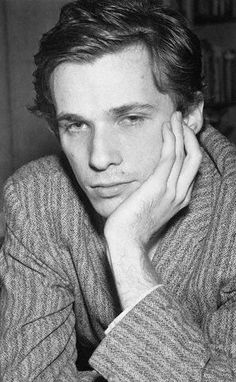 Gould was born on September 25th of 1932. He was born Glenn Gold in Toronto, but his family wasn’t Jewish: Gold was anglicized from Grieg, and Glenn’s father was a distant relative of the great Norwegian. In 1939, the Golds changed their name to Gould precisely because Gold sounded too Jewish, not a good thing in the antisemitic atmosphere of Toronto at the time. (One might say that things haven’t changed much since then, given the country’s strident pro-Palestinian, anti-Israeli stance). Glenn Gould is rightfully famous for his interpretations of Bach, but his repertoire was much broader than that. There’s an interesting 1962 recording of him playing Brahms’ Piano Concerto no. 1 with the New York Philharmonic, Leonard Bernstein conducting. Gould wanted to take very slow tempos, with Bernstein disliking his approach so much that before the performance, he made an unexpected four-minute speech pointing out the disagreements and raising a rhetorical question of “who’s the boss, the soloist or the conductor?” We should point out that Gould’s tempos, though very slow, are, overall, within the traditional bounds. For example, the first movement of a classic recording made by Emil Gilels and Eugen Jochum takes 24 minutes; Gould and Bernstein play it in 25 minutes and 50 seconds. The whole concerto with Gould-Bernstein lasts 53 minutes and several seconds, less than two minutes longer than Gilels-Johum’s. That said, we admit that Gould’s interpretation is not without eccentricities. The quality of this live recording is poor; you’ll also notice that back then, people coughed during the performance as much as they do now. Still, we think it’s very much worth a try (here).
The French pianist Alfred Cortot was born on September 26th of 1877, in Nyon, Switzerland, to a French father and Swiss mother. A central figure in French music of the first half of the 20th century, he was also a conductor, a teacher, a founder of a music school, and a member of the famous trio with Jacques Thibaud and Pablo Casals. Cortot’s repertoire was very large, from early Baroque to his contemporaries, such as Stravinsky and the young French composers. He was especially known for his interpretations of Romantic music, Chopin’s in particular. Compared to the virtuosos of today, Cortot’s technique was far from perfect, but the lyricism and nobility of his interpretations are unquestionable. What is questionable, though, is Cortot’s behavior during the German occupation of France. He served in the Vichy government and was close to Maréchal Pétain, the head of the collaborationist government. In 1942, he went to Berlin and played with the Berlin Philharmonic. There were other episodes of this kind, large and small. After the liberation of France, Cortot was arrested as a collaborator. After a trial, which ended with a slap on the wrist, prohibiting him from performing in France for one year, he moved to Switzerland, but returned to France, rehabilitated, in 1949. He was enthusiastically accepted by the French and continued a very successful career for several more years. Cortot died in 1962.
And last, but not least, is Vladimir Horowitz. He was born on October 1st of 1903. Horowitz heard Cortot play in 1919 and was so impressed that he asked Cortot to give him lessons. Cortot demurred, but later, in the 1930s, he met a by then famous Horowitz many times and even conducted his performances of Beethoven’s Fifth and Rachmaninov’s Third piano concertos.