This Week in Classical Music: October 6, 2025. Miscellanea. Giuseppe Verdi was born on October 9th of 1813, in Le Roncole, a village between Piacenza and Parma, a part of Italy that at the time belonged to Napoleon’s French Empire. Today, it’s known as Roncole Verdi. Giuseppe, as we well know, went on to become one of the greatest opera composers ever and Italy’s national hero. We talked about Verdi’s music when we celebrated his 200th anniversary here, so this week we’ll discuss another important aspect of his life, his politics. Some episodes have been mythologized. For example, the famous chorus Va, Pensiero, from Nabucco, when written in 1842, was not intended as a nationalistic hymn, but has become one since then: it was proposed as the national anthem of Italy several times and has been adopted as the official song by one of the Italian parties. Nonetheless, from the late 1840s on, Verdi was very active in the Risorgimento (literally, resurgence, the unification movement). He was friends with Giuseppe Mazzini, one of the key figures in the unification movement, and even wrote a patriotic hymn on Mazzini’s request. His 1848 opera La battaglia di Legnano, with its opening chorus, Viva Italia, was greeted with enormous enthusiasm. Even the popular slogan Viva Verdi was used as an acronym for Viva Vittorio Emanuele Re D'Italia, Vittorio Emanuele being the King of Piedmont-Sardinia and future king of the unified Italy, Vittorio Emanuele II. In 1859, Verdi openly entered politics, getting elected to a provincial council. He then headed a group that met with the king in Turin and later with Count Cavour, then the Prime Minister of the Kingdom of Sardinia and one of the key people of the Risorgimento. It was Cavour who persuaded Verdi to continue on as a politician and become a member of the Piedmont-Sardinia Parliament, though Verdi resigned soon after Cavour’s death in 1861, less than three months after Vittorio Emanuele II declared the Kingdom of Italy (and made Cavour the Prime Minister of the unified country). Here’s Va Pensiero with James Levine conducting the Metropolitan Opera orchestra and chorus.
Heinrich Schütz, the greatest German composer before Bach, was born on October 8th of 1585. He studied in Venice with Giovanni Gabrieli and brought Italian music back to Germany, which, of course, doesn’t diminish his originality and talent. We have a detailed entry on Heinrich Schütz here.
Camille Saint-Saëns was also born this week, on October 9th of 1835, in Paris. Not one of our favorites, he deserves a separate entry, which we promise to write. We’re even less in love with Ralph Vaughan Williams, very popular in England. Williams was born on October 12th of 1872.
Three pianists were born this week: the Swiss Edwin Fischer, in Basel on October 6th of 1886, the wonderful Shura Cherkassky, an American pianist of Russian-Jewish descent, in Odessa, the Russian Empire, now Odesa, Ukraine, on October 7th of 1909. Cherkassky performed till the end of his life; he died at the age of 86. And then there’s another Russian-Jewish pianist, Evgeny Kissin, who was born on October 10th of 1971. In 2024, for his support of Ukraine in its fight against the Russian aggression, Kissin was declared a “foreign agent” by the insane and malignant Russian government. Kissin lives in Prague and is a British and Israeli citizen. In addition to playing the piano, he writes poetry and music.

Miscellanea, October 2025
This Week in Classical Music: October 6, 2025. Miscellanea. Giuseppe Verdi was born on October 9th of 1813, in Le Roncole, a village between Piacenza and Parma, a part of Italy that at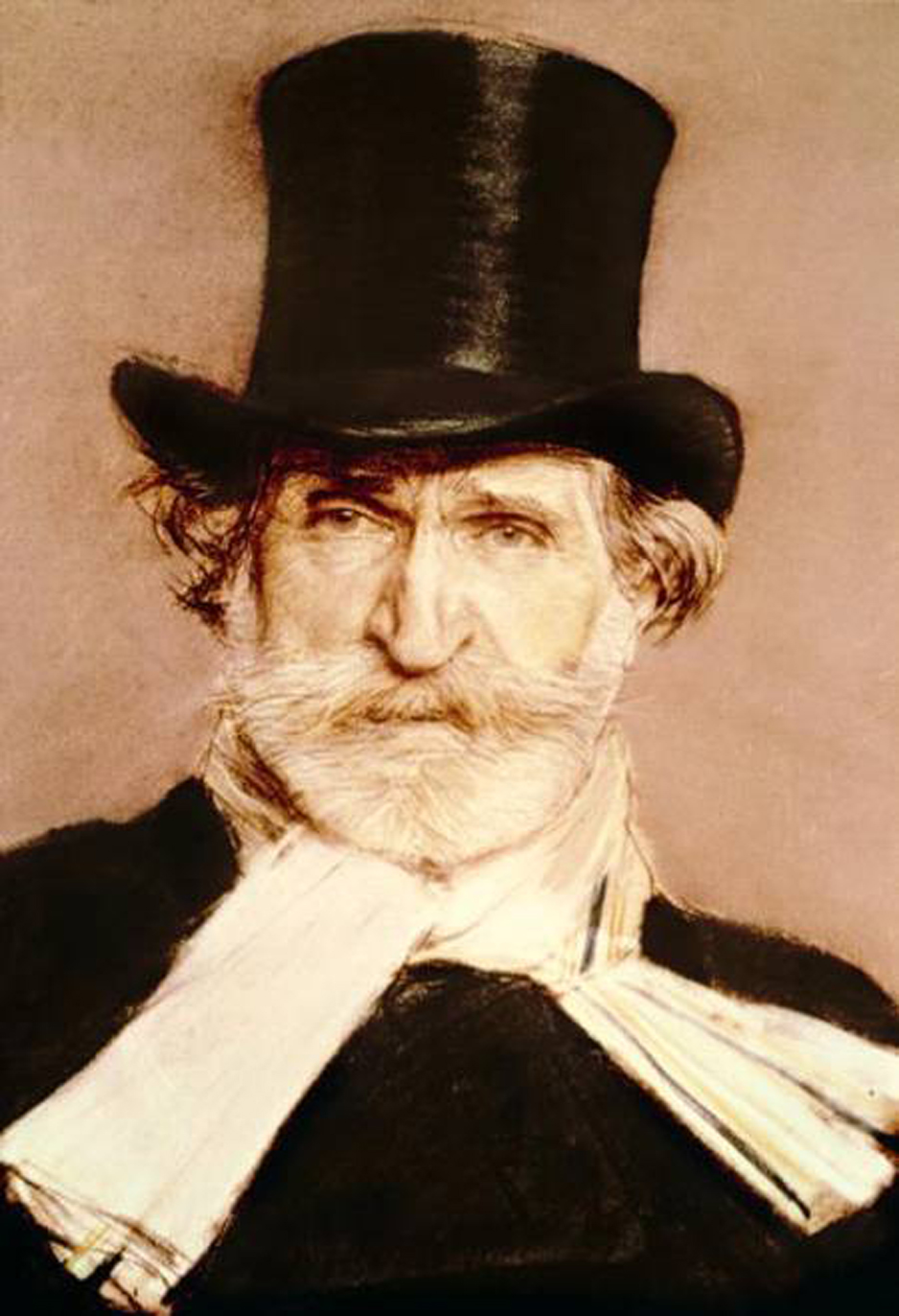 the time belonged to Napoleon’s French Empire. Today, it’s known as Roncole Verdi. Giuseppe, as we well know, went on to become one of the greatest opera composers ever and Italy’s national hero. We talked about Verdi’s music when we celebrated his 200th anniversary here, so this week we’ll discuss another important aspect of his life, his politics. Some episodes have been mythologized. For example, the famous chorus Va, Pensiero, from Nabucco, when written in 1842, was not intended as a nationalistic hymn, but has become one since then: it was proposed as the national anthem of Italy several times and has been adopted as the official song by one of the Italian parties. Nonetheless, from the late 1840s on, Verdi was very active in the Risorgimento (literally, resurgence, the unification movement). He was friends with Giuseppe Mazzini, one of the key figures in the unification movement, and even wrote a patriotic hymn on Mazzini’s request. His 1848 opera La battaglia di Legnano, with its opening chorus, Viva Italia, was greeted with enormous enthusiasm. Even the popular slogan Viva Verdi was used as an acronym for Viva Vittorio Emanuele Re D'Italia, Vittorio Emanuele being the King of Piedmont-Sardinia and future king of the unified Italy, Vittorio Emanuele II. In 1859, Verdi openly entered politics, getting elected to a provincial council. He then headed a group that met with the king in Turin and later with Count Cavour, then the Prime Minister of the Kingdom of Sardinia and one of the key people of the Risorgimento. It was Cavour who persuaded Verdi to continue on as a politician and become a member of the Piedmont-Sardinia Parliament, though Verdi resigned soon after Cavour’s death in 1861, less than three months after Vittorio Emanuele II declared the Kingdom of Italy (and made Cavour the Prime Minister of the unified country). Here’s Va Pensiero with James Levine conducting the Metropolitan Opera orchestra and chorus.
Heinrich Schütz, the greatest German composer before Bach, was born on October 8th of 1585. He studied in Venice with Giovanni Gabrieli and brought Italian music back to Germany, which, of course, doesn’t diminish his originality and talent. We have a detailed entry on Heinrich Schütz here.
Camille Saint-Saëns was also born this week, on October 9th of 1835, in Paris. Not one of our favorites, he deserves a separate entry, which we promise to write. We’re even less in love with Ralph Vaughan Williams, very popular in England. Williams was born on October 12th of 1872.
Three pianists were born this week: the Swiss Edwin Fischer, in Basel on October 6th of 1886, the wonderful Shura Cherkassky, an American pianist of Russian-Jewish descent, in Odessa, the Russian Empire, now Odesa, Ukraine, on October 7th of 1909. Cherkassky performed till the end of his life; he died at the age of 86. And then there’s another Russian-Jewish pianist, Evgeny Kissin, who was born on October 10th of 1971. In 2024, for his support of Ukraine in its fight against the Russian aggression, Kissin was declared a “foreign agent” by the insane and malignant Russian government. Kissin lives in Prague and is a British and Israeli citizen. In addition to playing the piano, he writes poetry and music.