This Week in Classical Music: November 17, 2025. Catching up on the Pianists. While we were traveling, we missed a lot of composers’ anniversaries, and last week we caught up with most of them. In the meantime, the pianists went unattended, among whom were several outstanding masters. We’ll try to give them their dues this week.
György Cziffra, one of the greatest virtuosos of the 20th century, was born into a poor Romani (Gipsy) family in Budapest on November 5th of 1921. He learned the piano by watching his sister play; later, as a boy, he earned money in bars by improvising on the tunes customers suggested. He entered the Franz Liszt Academy at the age of nine, becoming the youngest student in the Academy’s history. Ernst von (Ernő) Dohnányi was one of his teachers. Starting in 1937, he played concerts in Hungary and other European countries. During WWII, Cziffra was conscripted and sent to the Eastern Front. There, he was captured by the Soviet partisans and held in captivity till 1947. Upon returning to Hungary, he earned his living playing jazz.
In 1950, he attempted to escape from Communist Hungary but was captured and imprisoned in a hard labor camp. The harsh treatment he experienced in the camp damaged his hands; it took him a long time to recover. Still, he went on to win the 1955 Ferenc Liszt Competition. In 1956, during the uprising against the Hungarian Stalinist regime, which would eventually be toppled by the invading Soviet army, Cziffra, his wife and son managed to escape to Austria. He gave a series of very successful concerts in Vienna, and soon after was invited to Paris. There, he was greeted by fellow musicians, among them the pianist Marguerite Long and composers Marcel Dupré and Arthur Honegger. Charles de Gaulle invited him to the Élysée Palace.
Cziffra had a very successful career in France, but in 1981, his son, György Cziffra Jr., a successful conductor, died in an apartment fire. Cziffra was severely affected by his son’s death; his concerts became infrequent (after the event, he never played with an orchestra) and he stopped recording. György Cziffra died on January 15th of 1994, in Paris. Here, in a live recording from 1959, is Cziffra’s performance of Liszt’s 1863 Concert Etude Gnomenreigen, from the opus S. 145.
A wonderful French pianist Marguerite Long, whom we mentioned above, was born on November 13th of 1874 Nîmes, in the south of France. During her long life, she was friends with many of her contemporary French composers, including Fauré, Debussy, Ravel, Milhaud and others, who highly valued her interpretations of their music. For a while, Long worked as Debussy’s assistant. In 1943, Long and her friend, the violinist Jacques Thibaud, established the Concours Marguerite Long - Jacques Thibaud, which became one of the most important classical music competitions. Here, Marguerite Long plays Fauré's Nocturne no. 4. It was recorded in 1937.
Even though we don’t have the time to write about other pianists, here’s a short list. Walter Gieseking, the German pianist who had an exceptional affinity for French music, was born in France on November 15th of 1895. Ivan Moravec, a great Czech pianist and one of the best interpreters of the music of Chopin, was born in Prague on November 9th of 1930. Daniel Barenboim, a pianist, conductor, and overall musical leader, was born in Buenos Aires on November 15th of 1942. Jorge Bolet, a Cuban-American pianist who, like Cziffra, was a major virtuoso and an exceptional interpreter of the music of Liszt, was born in Havana on November 15th of 1914. Ignacy Jan Paderewski, a Polish pianist, composer, and statesman, was born in a small village of Kurilovka, then part of the Russian Empire, on November 18th of 1860. And finally, Yakov Zak was also born in the Russian Empire, in Odessa, now Odesa, Ukraine, on November 20th of 1913. He won the 1937 Chopin piano competition. Zak was a professor at the Moscow Conservatory for almost 30 years, becoming the Dean of the Piano Department in 1965.

György Cziffra, more pianists, 2025
This Week in Classical Music: November 17, 2025. Catching up on the Pianists. While we were traveling, we missed a lot of composers’ anniversaries, and last week we caught up with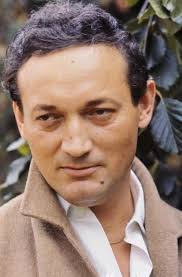 most of them. In the meantime, the pianists went unattended, among whom were several outstanding masters. We’ll try to give them their dues this week.
György Cziffra, one of the greatest virtuosos of the 20th century, was born into a poor Romani (Gipsy) family in Budapest on November 5th of 1921. He learned the piano by watching his sister play; later, as a boy, he earned money in bars by improvising on the tunes customers suggested. He entered the Franz Liszt Academy at the age of nine, becoming the youngest student in the Academy’s history. Ernst von (Ernő) Dohnányi was one of his teachers. Starting in 1937, he played concerts in Hungary and other European countries. During WWII, Cziffra was conscripted and sent to the Eastern Front. There, he was captured by the Soviet partisans and held in captivity till 1947. Upon returning to Hungary, he earned his living playing jazz.
In 1950, he attempted to escape from Communist Hungary but was captured and imprisoned in a hard labor camp. The harsh treatment he experienced in the camp damaged his hands; it took him a long time to recover. Still, he went on to win the 1955 Ferenc Liszt Competition. In 1956, during the uprising against the Hungarian Stalinist regime, which would eventually be toppled by the invading Soviet army, Cziffra, his wife and son managed to escape to Austria. He gave a series of very successful concerts in Vienna, and soon after was invited to Paris. There, he was greeted by fellow musicians, among them the pianist Marguerite Long and composers Marcel Dupré and Arthur Honegger. Charles de Gaulle invited him to the Élysée Palace.
Cziffra had a very successful career in France, but in 1981, his son, György Cziffra Jr., a successful conductor, died in an apartment fire. Cziffra was severely affected by his son’s death; his concerts became infrequent (after the event, he never played with an orchestra) and he stopped recording. György Cziffra died on January 15th of 1994, in Paris. Here, in a live recording from 1959, is Cziffra’s performance of Liszt’s 1863 Concert Etude Gnomenreigen, from the opus S. 145.
145.
A wonderful French pianist Marguerite Long, whom we mentioned above, was born on November 13th of 1874 Nîmes, in the south of France. During her long life, she was friends with many of her contemporary French composers, including Fauré, Debussy, Ravel, Milhaud and others, who highly valued her interpretations of their music. For a while, Long worked as Debussy’s assistant. In 1943, Long and her friend, the violinist Jacques Thibaud, established the Concours Marguerite Long - Jacques Thibaud, which became one of the most important classical music competitions. Here, Marguerite Long plays Fauré's Nocturne no. 4. It was recorded in 1937.
Even though we don’t have the time to write about other pianists, here’s a short list. Walter Gieseking, the German pianist who had an exceptional affinity for French music, was born in France on November 15th of 1895. Ivan Moravec, a great Czech pianist and one of the best interpreters of the music of Chopin, was born in Prague on November 9th of 1930. Daniel Barenboim, a pianist, conductor, and overall musical leader, was born in Buenos Aires on November 15th of 1942. Jorge Bolet, a Cuban-American pianist who, like Cziffra, was a major virtuoso and an exceptional interpreter of the music of Liszt, was born in Havana on November 15th of 1914. Ignacy Jan Paderewski, a Polish pianist, composer, and statesman, was born in a small village of Kurilovka, then part of the Russian Empire, on November 18th of 1860. And finally, Yakov Zak was also born in the Russian Empire, in Odessa, now Odesa, Ukraine, on November 20th of 1913. He won the 1937 Chopin piano competition. Zak was a professor at the Moscow Conservatory for almost 30 years, becoming the Dean of the Piano Department in 1965.