This Week in Classical Music: December 8, 2025. Elisabeth Schwarzkopf. Tomorrow, December 9th, is the 110th anniversary of Elisabeth Schwarzkopf, one of the greatest German sopranos of the 20th century. She was born in 1915 and died at age 90 in 2006. We recently came across her name in Machael Kater’s book, The Twisted Muse. Its subtitle is Musicians and their music in the Third Reich, and that’s what this book explores: how the Nazis, in their totalitarian state, managed the very vigorous classical music scene, and how the non-Jewish German musicians reacted to it (of the numerous Jewish musicians, most lost their jobs almost immediately, some emigrated, some were later arrested and executed). It’s a wonderful book, and we strongly recommend it. Besides being a well-documented historical narrative about Germany, its leaders, cultural institutions, and many famous composers, conductors, and instrumentalists, it raises questions about the role of music in society. According to Kater, Elisabeth Schwarzkopf, together with Herbert von Karajan, falls into the category of the young Nazi careerists. The 17-year-old Schwarzkopf started her music studies at the Hochschule für Musik in 1933, the year the Nazis came to power. It became apparent very quickly that she was a very gifted singer. In 1938, she made her debut in Goebbels’ Deutsches Opernhaus (the more prestigious Berlin’s Preussische Staatsoper, now the Staatsoper Unter den Linden, was in the domain of Hermann Göring, the leader, or Ministerpräsident, of Prussia, of which Berlin was the capital). Wilhelm Rode, one of Hitler’s favorite singers and then the General Director of the Deutsches Opernhaus, took Elisabeth under his wing. While in school, Schwarzkopf joined the Nazi Student League and became, according to Kater, a section leader of the women’s wing, an influential position. In 1940, Schwarzkopf joined the Nazi Party (NSDAP), something she would deny after the war (she came clean, if that’s the word, only after persistent questioning by a New York Times journalist in 1983). In 1942, Schwarzkopf tried to join the more famous Vienna State Opera, where the highly compromised Karl Böhm had recently been made the music director, but Goebbels refused to let her go. It was only in 1944 that Schwarzkopf made several appearances in Vienna. In 1943-44, she performed for the SS-organized events in occupied Poland. Schwarzkopf had important patrons within the Nazi music establishment, among them secretaries of the Reich Culture Chamber and Reich Theater Chamber. Hugo Jury, an SS general and the Gauleiter of Lower Austria, a fervent Nazi who committed suicide on May 8th of 1945, was her lover.
After the war, Schwarzkopf was granted Austrian citizenship, joined the Vienna State Opera, befriended (and later married) Walter Legge, a record producer and the founder of the Philharmonia Orchestra, and continued an extremely successful career. For many years, she lied about her past; the questions about her involvement with the Nazis came much later. She didn’t go through the interrogation and de-Nazification process, something that happened to many prominent German musicians who were active at that time. (Compare that to the life of Wilhelm Furtwängler, who was the leading conductor of Nazi Germany, performed for Hitler and at the Nazi events, but never joined the party, never conducted the Nazi anthem, Horst-Wessel-Lied, and helped many Jewish musicians escape the country. His career was still pretty much derailed.)
And yet Schwarzkopf, this morally compromised person, became one of the most beloved and celebrated musicians of her generation. Clearly, she was a supremely talented singer, one of the greatest interpreters of the German Lied, who shone in the operas of Mozart and Richard Strauss, and was one of the best Wagnerian sopranos, but... Or maybe there are no “buts”? Either way, on this anniversary, the Schwarzkopf story makes us look at classical music and its place in our world from a different angle.

Elisabeth Schwarzkopf, 2025
This Week in Classical Music: December 8, 2025. Elisabeth Schwarzkopf. Tomorrow, December 9th, is the 110th anniversary of Elisabeth Schwarzkopf, one of the greatest German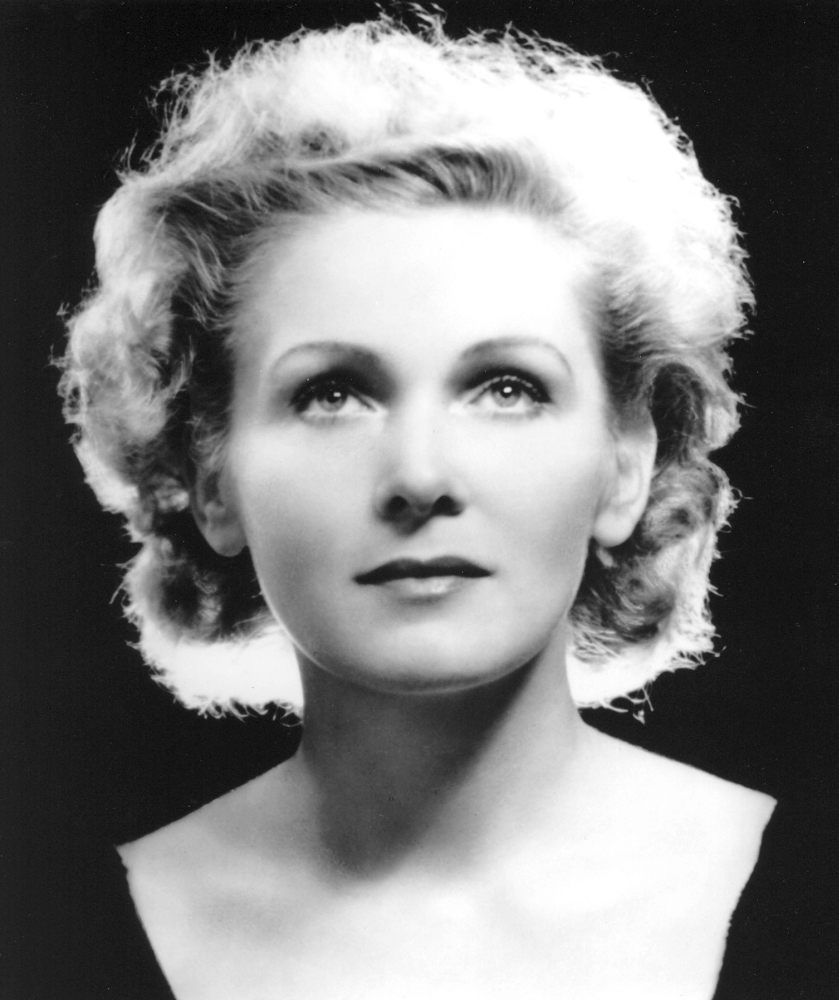 sopranos of the 20th century. She was born in 1915 and died at age 90 in 2006. We recently came across her name in Machael Kater’s book, The Twisted Muse. Its subtitle is Musicians and their music in the Third Reich, and that’s what this book explores: how the Nazis, in their totalitarian state, managed the very vigorous classical music scene, and how the non-Jewish German musicians reacted to it (of the numerous Jewish musicians, most lost their jobs almost immediately, some emigrated, some were later arrested and executed). It’s a wonderful book, and we strongly recommend it. Besides being a well-documented historical narrative about Germany, its leaders, cultural institutions, and many famous composers, conductors, and instrumentalists, it raises questions about the role of music in society. According to Kater, Elisabeth Schwarzkopf, together with Herbert von Karajan, falls into the category of the young Nazi careerists. The 17-year-old Schwarzkopf started her music studies at the Hochschule für Musik in 1933, the year the Nazis came to power. It became apparent very quickly that she was a very gifted singer. In 1938, she made her debut in Goebbels’ Deutsches Opernhaus (the more prestigious Berlin’s Preussische Staatsoper, now the Staatsoper Unter den Linden, was in the domain of Hermann Göring, the leader, or Ministerpräsident, of Prussia, of which Berlin was the capital). Wilhelm Rode, one of Hitler’s favorite singers and then the General Director of the Deutsches Opernhaus, took Elisabeth under his wing. While in school, Schwarzkopf joined the Nazi Student League and became, according to Kater, a section leader of the women’s wing, an influential position. In 1940, Schwarzkopf joined the Nazi Party (NSDAP), something she would deny after the war (she came clean, if that’s the word, only after persistent questioning by a New York Times journalist in 1983). In 1942, Schwarzkopf tried to join the more famous Vienna State Opera, where the highly compromised Karl Böhm had recently been made the music director, but Goebbels refused to let her go. It was only in 1944 that Schwarzkopf made several appearances in Vienna. In 1943-44, she performed for the SS-organized events in occupied Poland. Schwarzkopf had important patrons within the Nazi music establishment, among them secretaries of the Reich Culture Chamber and Reich Theater Chamber. Hugo Jury, an SS general and the Gauleiter of Lower Austria, a fervent Nazi who committed suicide on May 8th of 1945, was her lover.
After the war, Schwarzkopf was granted Austrian citizenship, joined the Vienna State Opera, befriended (and later married) Walter Legge, a record producer and the founder of the Philharmonia Orchestra, and continued an extremely successful career. For many years, she lied about her past; the questions about her involvement with the Nazis came much later. She didn’t go through the interrogation and de-Nazification process, something that happened to many prominent German musicians who were active at that time. (Compare that to the life of Wilhelm Furtwängler, who was the leading conductor of Nazi Germany, performed for Hitler and at the Nazi events, but never joined the party, never conducted the Nazi anthem, Horst-Wessel-Lied, and helped many Jewish musicians escape the country. His career was still pretty much derailed.)
And yet Schwarzkopf, this morally compromised person, became one of the most beloved and celebrated musicians of her generation. Clearly, she was a supremely talented singer, one of the greatest interpreters of the German Lied, who shone in the operas of Mozart and Richard Strauss, and was one of the best Wagnerian sopranos, but... Or maybe there are no “buts”? Either way, on this anniversary, the Schwarzkopf story makes us look at classical music and its place in our world from a different angle.