This Week in Classical Music: February 1, 2026. Furtwängler, Part III. This is our third entry on Wilhelm Furtwängler, a great German conductor of the first half of the 20th century. In the first two, we talked about Furtwängler’s career up to 1933 and Germany’s cultural milieu under the Nazis (here and here). When the Nazis came to power in January of 1933, Furtwängler was the music director of the Berlin Philharmonic, Germany’s most prestigious music institution. Furtwängler despised Hitler, which in part reflected their different class statuses: Furtwängler was from the professorial upper-middle class, while Hitler came from a poor and poorly educated Austrian family. And while Furtwängler was a conservative, a German nationalist (especially in musical matters), and clearly not a philosemite, he strongly opposed the antisemitic policies of the Nazi state. Furtwängler was in a difficult position; some opponents of the regime, like Thomas Mann, advised him to leave Germany, but Furtwängler, rightly or wrongly, felt that by staying, he upheld German music and culture. He regretted this decision later. He also wanted to protect the Jewish musicians of his orchestra, of which there were many. And he did: he helped several prominent Jewish members of the Berlin Philharmonic and scores of other Jewish musicians and composers emigrate. He intervened on behalf of many, not just musicians, when doing so was dangerous even for him (Goebbels directly warned him to stop). There were other outward signs of his opposition to the regime: for example, not a single time did Furtwängler offer the Nazi salute, even when meeting Hitler in person, while that was how Karl Böhm started all his concerts.
But Furtwängler had to walk a fine line, realizing that if, on occasion, he had to act against the wishes of the regime, he would have to cooperate with it at other times. As we mentioned earlier, the top Nazi leaders were intimately involved in the music scene and regularly attended his concerts. Furtwängler had to deal directly with both Hitler, the supreme leader (Führer) of Germany, and Goebbels, who was responsible for cultural life, at least as far as the Berlin Philharmonic was concerned (Rosenberg shared some responsibilities). Furtwängler was the favorite of Hitler and Goebbels (Göring preferred the young Karajan). Furtwängler’s relationship with Hitler was volatile; on several occasions, Hitler forbade Furtwängler from performing, only to rescind the ban months later. And it was on Hitler’s orders that during the war, Furtwängler directed the Bayreuth Festival, the Führer’s favorite musical institution.
Furtwängler tried to avoid playing special concerts on Hitler’s birthdays, but on at least one occasion, he couldn’t escape it. He refused to display swastikas in the Philharmonic Hall, but couldn’t control it in other places. When, following the demands of Nazi leaders, the Berlin Philharmonic performed in a factory in a concert that was supposed to raise the morale of the German people, the place was adorned with the symbols of the regime. Some of these concerts were caught on newsreels.
In 1933, when Goebbels established the Reichsmusikkammer that controlled much of the musical activity in the country, Furtwängler became the vice-president (Richard Strauss was the President). He resigned a year later, during the “Hindemith Case,” when he wrote an article in defense of the composer and conducted several of his pieces; Hitler hated Hindemith’s music and removed Furtwängler from the Berlin Philharmonic. The situation was resolved months later when Goebbels forced Furtwängler to declare that his statements about Hindemith were artistic and not political, and that Hitler was in charge of the cultural policy, which stated the obvious. Goebbels made a public statement on Furtwängler’s behalf, who was then allowed to rejoin the Philharmonic.
But more important than anything was Furtwängler’s mere presence in Germany, which seemed to legitimize Nazism. Parallels with today are inescapable, even if the scale of evil is incomparable: Putin needs Gergiev and Netrebko; Hitler needed Furtwängler and Schwarzkopf (on the other hand, Gergiev is actively pro-Putin).
Furtwängler knew several people involved in the 1944 attempt to assassinate Hitler and was close to being arrested when he fled to Switzerland in January of 1945. After the war, prominent Germans underwent the denazification trials; Furtwängler’s took place in 1946. We’ll return to that next week. Here’s Furtwängler conducting the Berlin Philharmonic in Beethoven’s Symphony no. 4. The recording was made live on June 30th of 1943 in Alte Philharmonie Berlin; the hall was destroyed in an Allied bombing several months later.

Furtwängler, Part III, 2026
This Week in Classical Music: February 1, 2026. Furtwängler, Part III. This is our third entry on Wilhelm Furtwängler, a great German conductor of the first half of the 20th century. In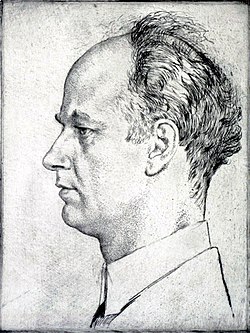 the first two, we talked about Furtwängler’s career up to 1933 and Germany’s cultural milieu under the Nazis (here and here). When the Nazis came to power in January of 1933, Furtwängler was the music director of the Berlin Philharmonic, Germany’s most prestigious music institution. Furtwängler despised Hitler, which in part reflected their different class statuses: Furtwängler was from the professorial upper-middle class, while Hitler came from a poor and poorly educated Austrian family. And while Furtwängler was a conservative, a German nationalist (especially in musical matters), and clearly not a philosemite, he strongly opposed the antisemitic policies of the Nazi state. Furtwängler was in a difficult position; some opponents of the regime, like Thomas Mann, advised him to leave Germany, but Furtwängler, rightly or wrongly, felt that by staying, he upheld German music and culture. He regretted this decision later. He also wanted to protect the Jewish musicians of his orchestra, of which there were many. And he did: he helped several prominent Jewish members of the Berlin Philharmonic and scores of other Jewish musicians and composers emigrate. He intervened on behalf of many, not just musicians, when doing so was dangerous even for him (Goebbels directly warned him to stop). There were other outward signs of his opposition to the regime: for example, not a single time did Furtwängler offer the Nazi salute, even when meeting Hitler in person, while that was how Karl Böhm started all his concerts.
But Furtwängler had to walk a fine line, realizing that if, on occasion, he had to act against the wishes of the regime, he would have to cooperate with it at other times. As we mentioned earlier, the top Nazi leaders were intimately involved in the music scene and regularly attended his concerts. Furtwängler had to deal directly with both Hitler, the supreme leader (Führer) of Germany, and Goebbels, who was responsible for cultural life, at least as far as the Berlin Philharmonic was concerned (Rosenberg shared some responsibilities). Furtwängler was the favorite of Hitler and Goebbels (Göring preferred the young Karajan). Furtwängler’s relationship with Hitler was volatile; on several occasions, Hitler forbade Furtwängler from performing, only to rescind the ban months later. And it was on Hitler’s orders that during the war, Furtwängler directed the Bayreuth Festival, the Führer’s favorite musical institution.
Furtwängler tried to avoid playing special concerts on Hitler’s birthdays, but on at least one occasion, he couldn’t escape it. He refused to display swastikas in the Philharmonic Hall, but couldn’t control it in other places. When, following the demands of Nazi leaders, the Berlin Philharmonic performed in a factory in a concert that was supposed to raise the morale of the German people, the place was adorned with the symbols of the regime. Some of these concerts were caught on newsreels.
In 1933, when Goebbels established the Reichsmusikkammer that controlled much of the musical activity in the country, Furtwängler became the vice-president (Richard Strauss was the President). He resigned a year later, during the “Hindemith Case,” when he wrote an article in defense of the composer and conducted several of his pieces; Hitler hated Hindemith’s music and removed Furtwängler from the Berlin Philharmonic. The situation was resolved months later when Goebbels forced Furtwängler to declare that his statements about Hindemith were artistic and not political, and that Hitler was in charge of the cultural policy, which stated the obvious. Goebbels made a public statement on Furtwängler’s behalf, who was then allowed to rejoin the Philharmonic.
But more important than anything was Furtwängler’s mere presence in Germany, which seemed to legitimize Nazism. Parallels with today are inescapable, even if the scale of evil is incomparable: Putin needs Gergiev and Netrebko; Hitler needed Furtwängler and Schwarzkopf (on the other hand, Gergiev is actively pro-Putin).
Furtwängler knew several people involved in the 1944 attempt to assassinate Hitler and was close to being arrested when he fled to Switzerland in January of 1945. After the war, prominent Germans underwent the denazification trials; Furtwängler’s took place in 1946. We’ll return to that next week. Here’s Furtwängler conducting the Berlin Philharmonic in Beethoven’s Symphony no. 4. The recording was made live on June 30th of 1943 in Alte Philharmonie Berlin; the hall was destroyed in an Allied bombing several months later.