This Week in Classical Music: February 9, 2026. Furtwängler, Part IV. This is our fourth and final entry on Wilhelm Furtwängler; you can read previous entries below (here, here, and here).Furtwängler met the end of WWII in Switzerland.From early 1944 on, with the permission of the Nazi regime, he visited the country for extended periods. He was also added to the list of “God-gifted artists” in the special Section A.There were only three musicians in that section: two composers, Richard Strauss and Hans Pfitzner, and Furtwängler.In December of 1944, his name was removed from the list, as authorities suspected him of being close to some of the participants of the July ’44 attempt to assassinate Hitler (he wasn’t close to the real events).With the war over, Furtwängler returned to the American-occupied part of Germany.Like so many prominent Germans, he underwent the “denazification” process.The charges, conducting two official concerts, were minor, but it was a real trial, led by General Robert McClure.Furtwängler was supported by the testimony of two Jews, Berta Geissmar, his secretary and business manager, and Curt Riess, a journalist.For a long time, Riess was Furtwängler’s critic (he thought him a Nazi collaborator) but changed his mind as he learned about the work Furtwängler did on behalf of Jewish musicians.Geissmar compiled a long list of people whom Furtwängler helped; it was sent to McClure but disappeared.Still, Furtwängler was cleared after three other Jewish musicians testified on his behalf.
But being formally cleared of the Nazi collaborator charge didn’t end the controversy surrounding Furtwängler; he was too large a figure and too prominent during the regime.A number of musicians, many of them Jewish, were supportive of Furtwängler.Among them were Arnold Schoenberg and the violinists Yehudi Menuhin, Bronisław Huberman, and Nathan Milstein.Menuhin sent a letter to General McClure, in which he wrote: “The man never was a Party member. Upon numerous occasions, he risked his own safety and reputation to protect friends and colleagues. Do not believe that the fact of remaining in one's own country is alone sufficient to condemn a man.”But Furtwängler did stay in Germany, and whether he wanted to be or not, he was used by the Nazis as a propaganda tool.Thomas Mann, who in the early 30s called upon him to leave, praised Furtwängler after the war for helping the Jews, but still denounced his "lack of understanding and lack of desire to understand what had seized power in Germany" (emphasis is ours).
Things came to a head in 1949, when the Chicago Symphony Orchestra offered Furtwängler the position of music director.Furtwängler accepted, but that prompted a strong reaction from several prominent US-based musicians.Arturo Toscanini, a genuine anti-fascist but also musically Furtwängler’s opposite, was critical of him for many years; he once said that “everyone who conducts in the Third Reich is a Nazi!”Toscanini was joined by George Szell, Vladimir Horowitz, Arthur Rubinstein, Isaac Stern, and Alexander Brailowsky.They said that they would boycott the orchestra if it were led by Furtwängler.Their main point was that, were Furtwängler a “small fry,” as Horowitz put it, they would understand his decision to stay in Germany, but he was outside the country many times and always chose to return.Under pressure, the CSO rescinded the offer.What his critics ignored (or were not aware of) was that in addition to saving lives (first, by helping people to emigrate, and then saving the “half-Jews” or musicians with Jewish wives, even if he could not save the “full-blooded” Jews remaining in Germany or Austria; those perished in the extermination camps), Furtwängler saved the independence of the Vienna Philharmonic and the Vienna Opera, which Goebbels wanted to turn into subsidiaries of the Berlin Philharmonic and the Bayreuth Festival.And he forced the authorities to take the Nazi flag off the wall of the Musikverein, refusing to perform while it was hanging there, a small but unheard-of act of defiance.
The episode with the CSO hurt Furtwängler, but that was not the end of his career.In 1952, the Berlin Philharmonic reappointed Furtwängler as the music director; he stayed there for the last four years of his life.During that time, he made several magnificent recordings with the Berlin and Vienna Philharmonic orchestras.We’ll hear two, one from the war years, another from 1949. Here’s the famous Vienna recording of Beethoven’s “Eroica” fromDecember 19, 1944, with the Vienna Philharmonic (Furtwängler escaped Austria right after that performance).And here’s another Third Symphony, the one by Brahms, from 1949. Furtwängler conducts the Berlin Philharmonic.

Furtwängler, Part IV, 2026
This Week in Classical Music: February 9, 2026. Furtwängler, Part IV. This is our fourth and final entry on Wilhelm Furtwängler; you can read previous entries below (here, here, and here).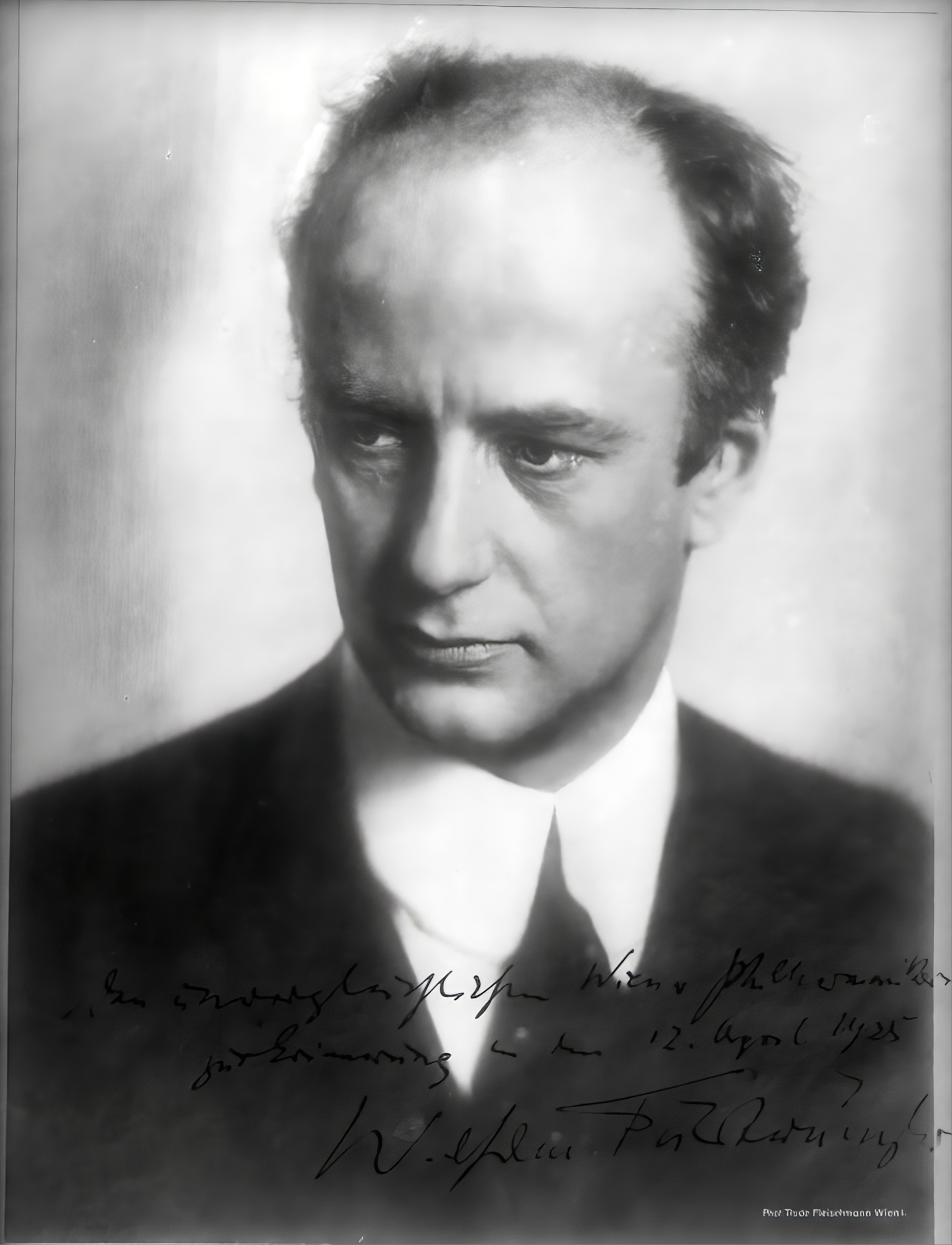 Furtwängler met the end of WWII in Switzerland. From early 1944 on, with the permission of the Nazi regime, he visited the country for extended periods. He was also added to the list of “God-gifted artists” in the special Section A. There were only three musicians in that section: two composers, Richard Strauss and Hans Pfitzner, and Furtwängler. In December of 1944, his name was removed from the list, as authorities suspected him of being close to some of the participants of the July ’44 attempt to assassinate Hitler (he wasn’t close to the real events). With the war over, Furtwängler returned to the American-occupied part of Germany. Like so many prominent Germans, he underwent the “denazification” process. The charges, conducting two official concerts, were minor, but it was a real trial, led by General Robert McClure. Furtwängler was supported by the testimony of two Jews, Berta Geissmar, his secretary and business manager, and Curt Riess, a journalist. For a long time, Riess was Furtwängler’s critic (he thought him a Nazi collaborator) but changed his mind as he learned about the work Furtwängler did on behalf of Jewish musicians. Geissmar compiled a long list of people whom Furtwängler helped; it was sent to McClure but disappeared. Still, Furtwängler was cleared after three other Jewish musicians testified on his behalf.
But being formally cleared of the Nazi collaborator charge didn’t end the controversy surrounding Furtwängler; he was too large a figure and too prominent during the regime. A number of musicians, many of them Jewish, were supportive of Furtwängler. Among them were Arnold Schoenberg and the violinists Yehudi Menuhin, Bronisław Huberman, and Nathan Milstein. Menuhin sent a letter to General McClure, in which he wrote: “The man never was a Party member. Upon numerous occasions, he risked his own safety and reputation to protect friends and colleagues. Do not believe that the fact of remaining in one's own country is alone sufficient to condemn a man.” But Furtwängler did stay in Germany, and whether he wanted to be or not, he was used by the Nazis as a propaganda tool. Thomas Mann, who in the early 30s called upon him to leave, praised Furtwängler after the war for helping the Jews, but still denounced his "lack of understanding and lack of desire to understand what had seized power in Germany" (emphasis is ours).
Things came to a head in 1949, when the Chicago Symphony Orchestra offered Furtwängler the position of music director. Furtwängler accepted, but that prompted a strong reaction from several prominent US-based musicians. Arturo Toscanini, a genuine anti-fascist but also musically Furtwängler’s opposite, was critical of him for many years; he once said that “everyone who conducts in the Third Reich is a Nazi!” Toscanini was joined by George Szell, Vladimir Horowitz, Arthur Rubinstein, Isaac Stern, and Alexander Brailowsky. They said that they would boycott the orchestra if it were led by Furtwängler. Their main point was that, were Furtwängler a “small fry,” as Horowitz put it, they would understand his decision to stay in Germany, but he was outside the country many times and always chose to return. Under pressure, the CSO rescinded the offer. What his critics ignored (or were not aware of) was that in addition to saving lives (first, by helping people to emigrate, and then saving the “half-Jews” or musicians with Jewish wives, even if he could not save the “full-blooded” Jews remaining in Germany or Austria; those perished in the extermination camps), Furtwängler saved the independence of the Vienna Philharmonic and the Vienna Opera, which Goebbels wanted to turn into subsidiaries of the Berlin Philharmonic and the Bayreuth Festival. And he forced the authorities to take the Nazi flag off the wall of the Musikverein, refusing to perform while it was hanging there, a small but unheard-of act of defiance.
The episode with the CSO hurt Furtwängler, but that was not the end of his career. In 1952, the Berlin Philharmonic reappointed Furtwängler as the music director; he stayed there for the last four years of his life. During that time, he made several magnificent recordings with the Berlin and Vienna Philharmonic orchestras. We’ll hear two, one from the war years, another from 1949. Here’s the famous Vienna recording of Beethoven’s “Eroica” from December 19, 1944, with the Vienna Philharmonic (Furtwängler escaped Austria right after that performance). And here’s another Third Symphony, the one by Brahms, from 1949. Furtwängler conducts the Berlin Philharmonic.