This Week in Classical Music: February 16, 2026. Post-Furtwängler, catching up.During the previous four weeks, we were preoccupied with the great German conductor Wilhelm Furtwängler.We think it was worth it, as his personal story, while being fascinating on its own, also poses many important questions.What is the role of music in modern society?Is there one?Is there an ethical component to it?Does music “elevate” us?How can it flourish under a murderous regime, and why would such a regime promote it?Can a musician remain politically neutral in a totalitarian society, or is it a pretense?Can we judge actions and decisions made under extreme duress, and why does our judgment vary so much (Furtwängler vs. Karajan)?There are many more questions, and we don’t have many answers, but we do believe these issues are still relevant, even if in our time, the place of classical music has greatly diminished.
So, while we were dealing with Furtwängler, we missed a whole lot of interesting dates, the most important of which was the 270th anniversary of Mozart’s birthday, January 27th of 1756.Another one was Franz Schubert’s: he was born on January 31st of 1797.And we also missed Felix Mendelssohn’s anniversary: he was born on February 3rd of 1809. Giovanni Pierluigi Palestrina was probably born on January 3rd of 1525, although we don’t know for sure.One of the pioneers of opera, Francesco Cavalli, was born on February 14th of 1602.
Several important modern composers also had their anniversaries during the period of our inattention, Alban Berg being the most influential of the group; he was born on February 9th of 1885.Witold Lutosławski, a wonderful Polish composer (and the only non-Italian or non-German speaker on our list), was born on January 25th of 1913.Back to the Italians: a very important modernist composer, Luigi Nono, was born on January 17th of 1924.And another, Luigi Dallapiccola, on February 3rd of 1904.
Even though there are many other names of note, we’ll make a full circle and return to WilhelmFurtwängler.As we mentioned in the first entry about him, Furtwängler started as a composer and turned to conducting when it occurred to him that nobody wanted to play his music.Furtwängler wrote several pieces in his youth, but as his conducting career took off, he stopped composing for about 20 years.He then wrote three symphonies in the 1940s and the 50s.Symphony no. 2, completed in 1945, is considered his best.Eugen Johum liked and recorded it, and so did Barenboim with the Chicago Symphony.We gave it a listen and, unfortunately, cannot recommend it: it’s long, about 80 minutes, Brucknerian in tone but completely lacking the spark of the great Austrian.In a cruel comment, it was called “musical graphomania.” We thought of presenting a movement as a sample, but then decided not to.It’s a pity it turned out he didn’t have a talent for composing, but in no way does it diminish Furtwängler’s conducting genius.

Post-Furtwängler, 2026
This Week in Classical Music: February 16, 2026. Post-Furtwängler, catching up. During the previous four weeks, we were preoccupied with the great German conductor Wilhelm Furtwängler. We think it was worth it, as his personal story, while being fascinating on its own, also poses many important questions. What is the role of music in modern society? Is there one? Is there an ethical component to it? Does music “elevate” us? How can it flourish under a murderous regime, and why would such a regime promote it? Can a musician remain politically neutral in a totalitarian society, or is it a pretense? Can we judge actions and decisions made under extreme duress, and why does our judgment vary so much (Furtwängler vs. Karajan)? T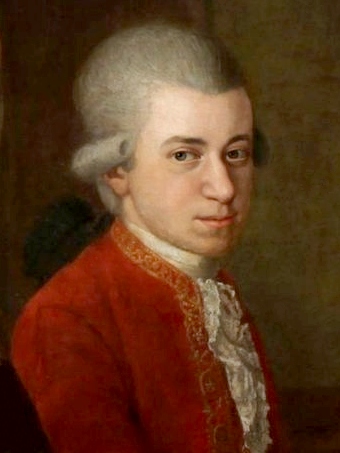 here are many more questions, and we don’t have many answers, but we do believe these issues are still relevant, even if in our time, the place of classical music has greatly diminished.
So, while we were dealing with Furtwängler, we missed a whole lot of interesting dates, the most important of which was the 270th anniversary of Mozart’s birthday, January 27th of 1756. Another one was Franz Schubert’s: he was born on January 31st of 1797. And we also missed Felix Mendelssohn’s anniversary: he was born on February 3rd of 1809. Giovanni Pierluigi Palestrina was probably born on January 3rd of 1525, although we don’t know for sure. One of the pioneers of opera, Francesco Cavalli, was born on February 14th of 1602.
Several important modern composers also had their anniversaries during the period of our inattention, Alban Berg being the most influential of the group; he was born on February 9th of 1885. Witold Lutosławski, a wonderful Polish composer (and the only non-Italian or non-German speaker on our list), was born on January 25th of 1913. Back to the Italians: a very important modernist composer, Luigi Nono, was born on January 17th of 1924. And another, Luigi Dallapiccola, on February 3rd of 1904.
Even though there are many other names of note, we’ll make a full circle and return to Wilhelm Furtwängler. As we mentioned in the first entry about him, Furtwängler started as a composer and turned to conducting when it occurred to him that nobody wanted to play his music. Furtwängler wrote several pieces in his youth, but as his conducting career took off, he stopped composing for about 20 years. He then wrote three symphonies in the 1940s and the 50s. Symphony no. 2, completed in 1945, is considered his best. Eugen Johum liked and recorded it, and so did Barenboim with the Chicago Symphony. We gave it a listen and, unfortunately, cannot recommend it: it’s long, about 80 minutes, Brucknerian in tone but completely lacking the spark of the great Austrian. In a cruel comment, it was called “musical graphomania.” We thought of presenting a movement as a sample, but then decided not to. It’s a pity it turned out he didn’t have a talent for composing, but in no way does it diminish Furtwängler’s conducting genius.