This Week in Classical Music: February 23, 2026. Kurtág and the skipped Big Names. György Kurtág turned 100 on February 19th! We hope he’s doing well; we can think of only two composers who lived longer than that, Elliott Carter and Leo Ornstein.By an amazing coincidence, not only were Carter and Ornstein centenarians, but they were also born on the same day, December 11th – Ornstein in 1893 and Carter in 1908.And both were modernist composers...But back to Kurtág.Last year, on his 99th birthday, we posted an entry, not being sure if he would make it to 100.We’re very happy he did, and will elaborate on our previous post.
György Kurtág (his first name is pronounced closer to Dyerd rather than George) was born on February 19th of 1926, in Lugoj, Banat.Most of the historical Banat now belongs to Romania, but before the dissolution of Austria-Hungary in 1918, Banat was part of the Austro-Hungarian Empire, and the majority of its inhabitants were Hungarian speakers.It also had a large Jewish population; Kurtág himself is half-Jewish.He spoke Hungarian at home and Romanian at school.As a child, he studied the piano on and off, first with his mother and then with professional teachers.After WWII, in 1946, the 20-year-old Kurtág moved to Budapest and continued taking piano lessons, eventually entering the Franz Liszt Music Academy.There he met György Ligeti,and they became friends for life (Ligeti, who died in 2006, was also of Hungarian-Jewish descent and also born in a part of Austria-Hungary that now lies in Romania; he rivals Kurtág as one of the most important classical composers of the second half of the 20th century).After the Hungarian Revolution of 1956, Kurtág moved to Paris.There, he studied with Olivier Messiaen and Darius Milhaud.He returned to Hungary in 1959 and remained there for the duration of the Communist regime – the only Hungarian composer of international renown to do so (and here we are thinking of Furtwängler’s decision to stay in Germany in the 1930s).Ligeti, for example, fled to Vienna immediately after the failed 1956 revolution and stayed in the West for the rest of his life. At that time, Kurtág became influential as a teacher.Surprisingly, he didn’t teach composition but rather interpretation: pianists Zoltán Kocsis and András Schiff, and the first Takács String Quartet were among his students. Kurtág resumed traveling only after the fall of communism in 1989, moving first to Berlin (he was the composer in residence for the Berlin Philharmonic in the mid-90s), then Vienna, the Netherlands, and Paris, where he worked with Boulez’s Ensemble Intercontemporain.In 2002, the Kurtágs settled in Bordeaux, but in 2015, he and his wife returned to Budapest (Kurtág’s wife, Márta, a pianist, died in 2019).
Here, from 1978, is Kurtág’s piece called 12 Microludes for String Quartet.It does contain 12 different musical “sentences” (or tiny plays: “ludus” is “play” in Latin) altogether lasting less than 10 minutes.It’s performed by the Keller String Quartet.
George Frideric Handel, Gioachino Rossini, and Frederic Chopin were all born this week.As great as they are (and as much as we love them), we’ll have to leave them for another time.

György Kurtág 100, 2026
This Week in Classical Music: February 23, 2026. Kurtág and the skipped Big Names. György Kurtág turned 100 on February 19th! We hope he’s doing well; we can think of only two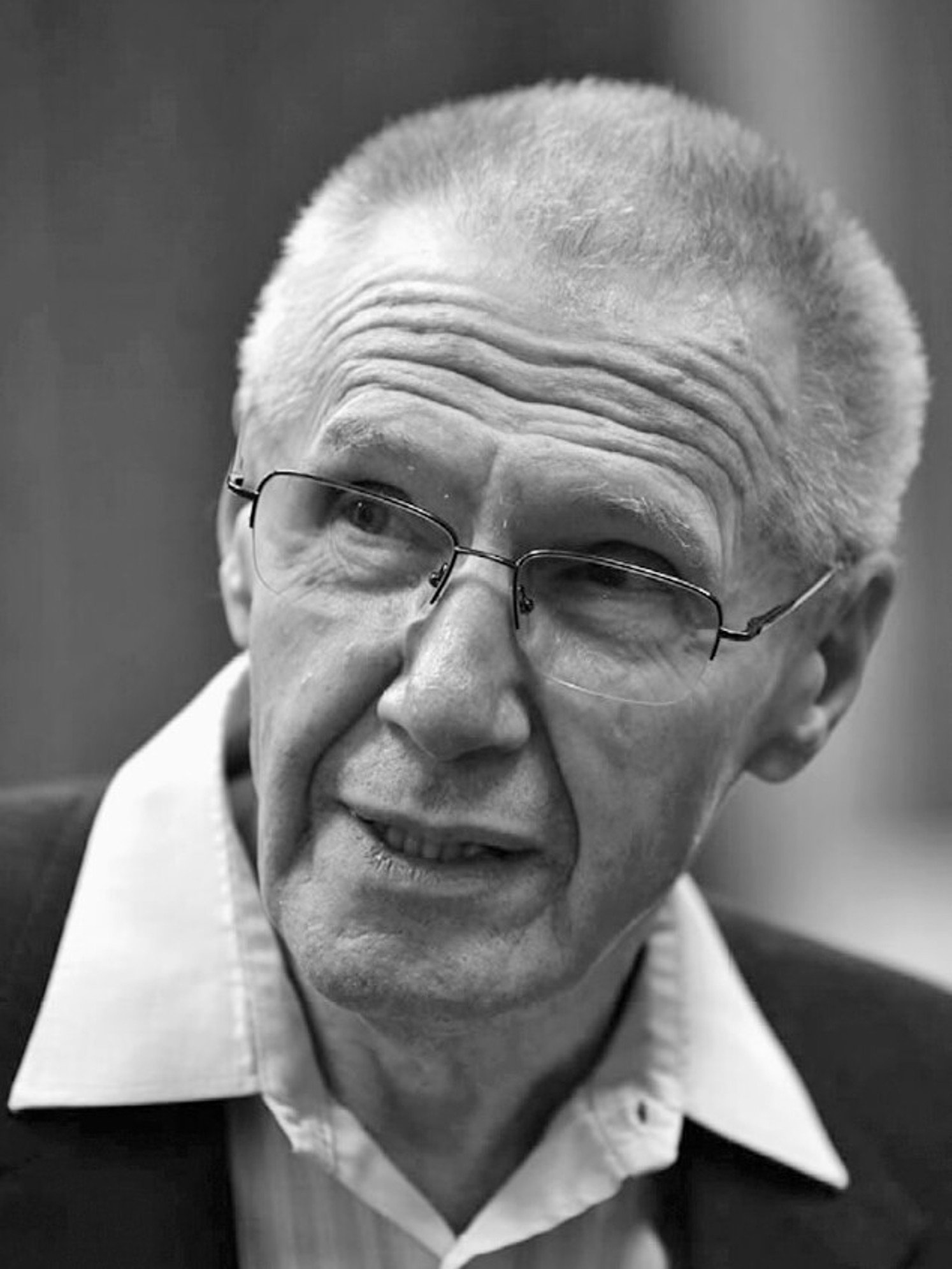 composers who lived longer than that, Elliott Carter and Leo Ornstein. By an amazing coincidence, not only were Carter and Ornstein centenarians, but they were also born on the same day, December 11th – Ornstein in 1893 and Carter in 1908. And both were modernist composers... But back to Kurtág. Last year, on his 99th birthday, we posted an entry, not being sure if he would make it to 100. We’re very happy he did, and will elaborate on our previous post.
György Kurtág (his first name is pronounced closer to Dyerd rather than George) was born on February 19th of 1926, in Lugoj, Banat. Most of the historical Banat now belongs to Romania, but before the dissolution of Austria-Hungary in 1918, Banat was part of the Austro-Hungarian Empire, and the majority of its inhabitants were Hungarian speakers. It also had a large Jewish population; Kurtág himself is half-Jewish. He spoke Hungarian at home and Romanian at school. As a child, he studied the piano on and off, first with his mother and then with professional teachers. After WWII, in 1946, the 20-year-old Kurtág moved to Budapest and continued taking piano lessons, eventually entering the Franz Liszt Music Academy. There he met György Ligeti, and they became friends for life (Ligeti, who died in 2006, was also of Hungarian-Jewish descent and also born in a part of Austria-Hungary that now lies in Romania; he rivals Kurtág as one of the most important classical composers of the second half of the 20th century). After the Hungarian Revolution of 1956, Kurtág moved to Paris. There, he studied with Olivier Messiaen and Darius Milhaud. He returned to Hungary in 1959 and remained there for the duration of the Communist regime – the only Hungarian composer of international renown to do so (and here we are thinking of Furtwängler’s decision to stay in Germany in the 1930s). Ligeti, for example, fled to Vienna immediately after the failed 1956 revolution and stayed in the West for the rest of his life. At that time, Kurtág became influential as a teacher. Surprisingly, he didn’t teach composition but rather interpretation: pianists Zoltán Kocsis and András Schiff, and the first Takács String Quartet were among his students. Kurtág resumed traveling only after the fall of communism in 1989, moving first to Berlin (he was the composer in residence for the Berlin Philharmonic in the mid-90s), then Vienna, the Netherlands, and Paris, where he worked with Boulez’s Ensemble Intercontemporain. In 2002, the Kurtágs settled in Bordeaux, but in 2015, he and his wife returned to Budapest (Kurtág’s wife, Márta, a pianist, died in 2019).
Here, from 1978, is Kurtág’s piece called 12 Microludes for String Quartet. It does contain 12 different musical “sentences” (or tiny plays: “ludus” is “play” in Latin) altogether lasting less than 10 minutes. It’s performed by the Keller String Quartet.
George Frideric Handel, Gioachino Rossini, and Frederic Chopin were all born this week. As great as they are (and as much as we love them), we’ll have to leave them for another time.