This Week in Classical Music: August 10, 2026. Bayreuth Festspielhaus. There are several historical opera theaters: the venerable La Scala, La Fenice and San Carlo in Italy; Covent Garden in London; a much younger Palais Garnier in Paris; and the younger yet but very important Metropolitan Opera House in New York, but none of them has the unique history of the Bayreuth Festspielhaus. No other opera house has ever been built to perform operas of one, and only one, composer, or on the devotion of a King to the music of that composer. But that’s what the Bayreuth Festspielhaus is, and it was opened 150 years ago, on August 13th of 1876.
The composer who willed the opera house into existence was Richard Wagner, and his devoted patron – King Ludwig II, the Mad King of Bavaria. Wagner, prone to grandiosity, came to the idea of building a special opera house after the completion of Der Ring des Nibelungen and, in his view, the inadequacy of existing theaters to stage this massive production. This is how he described the ideal theater in 1863: situated in a smaller town that doesn’t already have a large theater but can accommodate numerous guests; simple, built of wood, amphitheater-shaped, and, importantly, with orchestra hidden from the audience. There, he imagined, the outstanding German singers would be summoned each spring to rehearse, uninterrupted, and then perform Der Ring, three times, each cycle on four successive nights, an opera a night. Bayreuth was an ideal place: the local mayor loved Wagner’s operas, and so did one of the bankers there, but most importantly, Bayreuth was in Bavaria, and the King was an unusually ardent admirer.
Ludwig, born in 1845, fell in love with Wagner’s operas at the age of 15, when he first saw Lohengrin and Tannhäuser. He was also gay, and, though younger than Wagner by 32 years, had, it seems, feelings toward him. In 1864, Wagner was granted a long audience with the King, which changed his whole life. The King paid Wagner’s debts (Wagner had been running from his creditors for years) and helped stage several operas at the Royal Court Theater in Munich (now the Bavarian State Opera). During that time, Wagner was conducting an affair with Cosima, Franz Liszt’s daughter and the wife of Hans von Bülow, his friend and conductor of many of Wagner’s premieres. The affair was in the open; in April of 1865 Cosima gave birth to a child, Wagner’s, not von Bülow’s. The conservative burgers of Munich didn’t approve, and Wagner had to move out (Ludwig was so distraught that he considered abdicating). Wagner stayed in Switzerland for a while, then bought a house in Bayreuth (both times with the King’s help) on a plot next to the proposed theater, and settled there, with Cosima and their daughter.
Even though Ludwig provided Wagner with 100,000 thalers, a very large sum, coming up with the rest of the funds wasn’t easy, and the theater was built on the cheap (Wagner expected monumental upgrades in the future). It seated 1440, with all seats on one fan-shaped descending level and boxes at the back (the royal box was in the middle). It had a large stage and unusually large orchestra pit. The pit, an important feature, went under the stage and was partly covered with a hood, making it invisible so as not to distract the public, all according to Wagner’s wishes. Wagner also requested unusual orchestra seating; for example, the violins are on the right-hand side. It made it difficult for conductors, but acoustically it worked very well.
The first performance of the Ring, in 1876, was attended by Emperor Wilhelm I of Germany; King Ludwig, a very private man, saw the third cycle (ideally, he preferred to listen alone, and attended the dress rehearsal). The season was a financial disaster, and the next one was staged only six years later, in 1882; only Parsifal was performed, sixteen times. Wagner conducted the last scene of the last performance. He died a year later.
Even though there are many important opera theaters in Germany, the Bayreuth Festspielhaus played an unusually important role in German history. We’ll return to it next week.

Bayreuth Festspielhaus, 2026
This Week in Classical Music: August 10, 2026. Bayreuth Festspielhaus. There are several historical opera theaters: the venerable La Scala, La Fenice and San Carlo in Italy; Covent Garden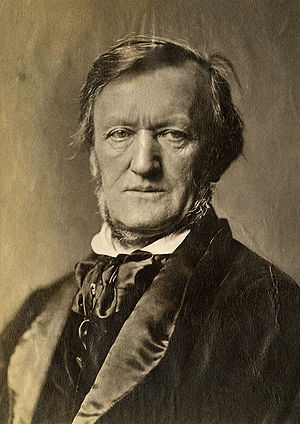 in London; a much younger Palais Garnier in Paris; and the younger yet but very important Metropolitan Opera House in New York, but none of them has the unique history of the Bayreuth Festspielhaus. No other opera house has ever been built to perform operas of one, and only one, composer, or on the devotion of a King to the music of that composer. But that’s what the Bayreuth Festspielhaus is, and it was opened 150 years ago, on August 13th of 1876.
The composer who willed the opera house into existence was Richard Wagner, and his devoted patron – King Ludwig II, the Mad King of Bavaria. Wagner, prone to grandiosity, came to the idea of building a special opera house after the completion of Der Ring des Nibelungen and, in his view, the inadequacy of existing theaters to stage this massive production. This is how he described the ideal theater in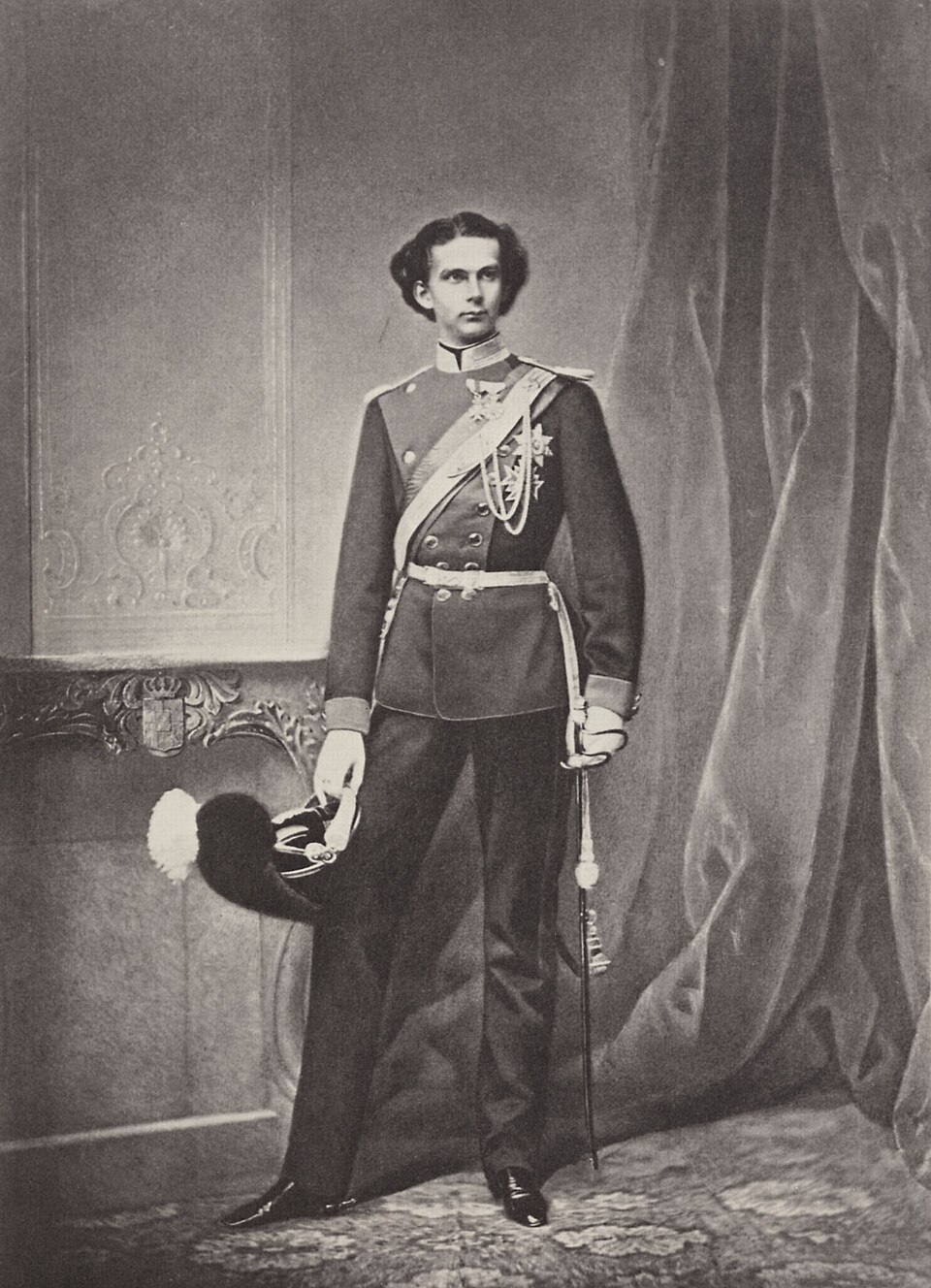 1863: situated in a smaller town that doesn’t already have a large theater but can accommodate numerous guests; simple, built of wood, amphitheater-shaped, and, importantly, with orchestra hidden from the audience. There, he imagined, the outstanding German singers would be summoned each spring to rehearse, uninterrupted, and then perform Der Ring, three times, each cycle on four successive nights, an opera a night. Bayreuth was an ideal place: the local mayor loved Wagner’s operas, and so did one of the bankers there, but most importantly, Bayreuth was in Bavaria, and the King was an unusually ardent admirer.
Ludwig, born in 1845, fell in love with Wagner’s operas at the age of 15, when he first saw Lohengrin and Tannhäuser. He was also gay, and, though younger than Wagner by 32 years, had, it seems, feelings toward him. In 1864, Wagner was granted a long audience with the King, which changed his whole life. The King paid Wagner’s debts (Wagner had been running from his creditors for years) and helped stage several operas at the Royal Court Theater in Munich (now the Bavarian State Opera). During that time, Wagner was conducting an affair with Cosima, Franz Liszt’s daughter and the wife of Hans von Bülow, his friend and conductor of many of Wagner’s premieres. The affair was in the open; in April of 1865 Cosima gave birth to a child, Wagner’s, not von Bülow’s. The conservative burgers of Munich didn’t approve, and Wagner had to move out (Ludwig was so distraught that he considered abdicating). Wagner stayed in Switzerland for a while, then bought a house in Bayreuth (both times with the King’s help) on a plot next to the proposed theater, and settled there, with Cosima and their daughter.
Even though Ludwig provided Wagner with 100,000 thalers, a very large sum, coming up with the rest of the funds wasn’t easy, and the theater was built on the cheap (Wagner expected monumental upgrades in the future). It seated 1440, with all seats on one fan-shaped descending level and boxes at the back (the royal box was in the middle). It had a large stage and unusually large orchestra pit. The pit, an important feature, went under the stage and was partly covered with a hood, making it invisible so as not to distract the public, all according to Wagner’s wishes. Wagner also requested unusual orchestra seating; for example, the violins are on the right-hand side. It made it difficult for conductors, but acoustically it worked very well.
The first performance of the Ring, in 1876, was attended by Emperor Wilhelm I of Germany; King Ludwig, a very private man, saw the third cycle (ideally, he preferred to listen alone, and attended the dress rehearsal). The season was a financial disaster, and the next one was staged only six years later, in 1882; only Parsifal was performed, sixteen times. Wagner conducted the last scene of the last performance. He died a year later.
Even though there are many important opera theaters in Germany, the Bayreuth Festspielhaus played an unusually important role in German history. We’ll return to it next week.