This Week in Classical Music: August 17, 2026. Bayreuth after Wagner. Richard Wagner was a genius and an antisemite, but there was nothing explicitly antisemitic about the festival or even Wagner’s operas, with the possible exception of the character of Beckmesser in Die Meistersinger von Nürnberg (Wagner expressed his bigotry in writings). And King Ludwig, Wagner’s main benefactor, was unusually open-minded for his age; he was actively opposed to antisemitism and even rebuked Wagner when the composer wanted to remove Hermann Levi, a Jew and Ludwig’s court conductor, from leading the premiere of Parsifal (Wagner had to submit). Things changed after Wagner’s death in 1883, when his wife Cosima took over management of the Bayreuth Festival.
Cosima was Wagner’s muse and adviser. She also shared his antisemitism. With Cosima in charge, the staging of Wagner’s opera continued; apparently, they were of high quality but fixed on what she considered the best examples, with hardly any changes. Cosima and her children, Isolda, Eva, and Siegfried, lived in Villa Wahnfried, which Wagner, with King Ludwig’s help, built next to Festspielhaus on festival grounds. Under her leadership, Bayreuth became a shrine to Wagner and Villa Wahnfried - a center of Pan-Germanic, antisemitic thought. In 1908, Cosima’s daughter Eva married Houston Stewart Chamberlain, an English philosopher who moved to Germany and became a Wagnerite and a leading European ideologue of racism and antisemitism (he was not related to the future British Prime Minister Neville Chamberlain, though both met Adolf Hitler). Chamberlain provided “theoretical” underpinnings to the “organic” antisemitism and Arianism of Wahnfried. The place became so influential that it gave name to a deeply nationalist, romantic, antisemitic ideology, which inspired several right-wing German parties.
Also in 1908, Cosima’s son Siegfried took over the reins. He was a composer, conductor, and bisexual. In 1913, under pressure from Cosima, he married Winifred Klindworth, a 17-year-old Englishwoman. Young and impressionable, she immediately accepted the family ideology. In 1923, Winifred met and soon after invited Adolf Hitler, the leader of the nascent National Socialist German Workers' Party and admirer of Wagner’s music. Hitler came to Bayreuth in October, and one month later organized a putsch against the Weimar Republic, the so-called Beer Putsch, which failed and for which he was jailed. From prison, he wrote to Siegfried how impressed he was with the place and Chamberlain. He would visit Bayreuth and stay at Wahnfried many times; it became his favorite retreat. In 1930, Siegfried died, and Winifred took over. She was so close to Hitler personally that there were rumors she might marry him. Under Winifred, Bayreuth became a center of German national art. Three years later, the Nazis came to power and elevated the Festspiel even further. Hitler would visit it annually, his arrival choreographed by Goebbels, Nazi’s propaganda minister. Thousands of people cheered him on the way, and documentaries of the event were shown in movie theaters. While attending the festival, Hitler stayed with the Wagners in Villa Wahnfried.
While the Nazis turned the festival into a cultish symbol of their version of German culture, the musical level it reached was very high. Winifred hired Heinz Tietjen, the artistic director of the Berlin State Opera, to perform the same duties at Bayreuth. Wilhelm Furtwängler and Richard Strauss were among the conductors (Arturo Toscanini also worked there till 1933). Kirsten Flagstad, Max Lorenz, and Rudolf Bockelmann were among the lead singers. Tietjen made the operas visually exciting. Many of these pre-war performances were recorded and broadcast on German radio, but very few of them survive. Here’s an excerpt from the August 18, 1931 performance of Tristan und Isolde. Nanny Larsén-Todsen, the famous Swedish soprano of the generation before Flagstad, is Isolde; Wilhelm Furtwängler conducts the Bayreuth Festspiel Orchestra. And here is a scene from the 1936 staging of Seifried. Max Lorenz is the wonderful Siegfried, with Heinz Tietjen conducting the Festspiel Orchestra. Despite the low quality of the recording, it’s very enjoyable.
We’ll stop here, before the catastrophe of WWII was unleashed by Hitler in 1939, and finish the story of “Bayreuth after Wagner” next week.

Bayreuth after Wagner, part I, 2026
This Week in Classical Music: August 17, 2026. Bayreuth after Wagner. Richard Wagner was a genius and an antisemite, but there was nothing explicitly antisemitic about the festival or even Wagner’s operas, with the possible exception of the character of Beckmesser in Die Meistersinger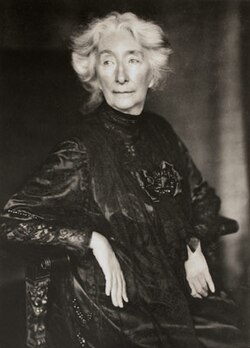 von Nürnberg (Wagner expressed his bigotry in writings). And King Ludwig, Wagner’s main benefactor, was unusually open-minded for his age; he was actively opposed to antisemitism and even rebuked Wagner when the composer wanted to remove Hermann Levi, a Jew and Ludwig’s court conductor, from leading the premiere of Parsifal (Wagner had to submit). Things changed after Wagner’s death in 1883, when his wife Cosima took over management of the Bayreuth Festival.
Cosima was Wagner’s muse and adviser. She also shared his antisemitism. With Cosima in charge, the staging of Wagner’s opera continued; apparently, they were of high quality but fixed on what she considered the best examples, with hardly any changes. Cosima and her children, Isolda, Eva, and Siegfried, lived in Villa Wahnfried, which Wagner, with King Ludwig’s help, built next to Festspielhaus on festival grounds. Under her leadership, Bayreuth became a shrine to Wagner and Villa Wahnfried - a center of Pan-Germanic, antisemitic thought. In 1908, Cosima’s daughter Eva married Houston Stewart Chamberlain, an English philosopher who moved to Germany and became a Wagnerite and a leading European ideologue of racism and antisemitism (he was not related to the future British Prime Minister Neville Chamberlain, though both met Adolf Hitler). Chamberlain provided “theoretical” underpinnings to the “organic” antisemitism and Arianism of Wahnfried. The place became so influential that it gave name to a deeply nationalist, romantic, antisemitic ideology, which inspired several right-wing German parties.
Also in 1908, Cosima’s son Siegfried took over the reins. He was a composer, conductor, and bisexual. In 1913, under pressure from Cosima, he married Winifred Klindworth, a 17-year-old Englishwoman. Young and impressionable, she immediately accepted the family ideology. In 1923, Winifred met and soon after invited Adolf Hitler, the leader of the nascent National Socialist German Workers' Party and admirer of Wagner’s music. Hitler came to Bayreuth in October, and one month later organized a putsch against the Weimar Republic, the so-called Beer Putsch, which failed and for which he was jailed. From prison, he wrote to Siegfried how impressed he was with the place and Chamberlain. He would visit Bayreuth and stay at Wahnfried many times; it became his favorite retreat. In 1930, Siegfried died, and Winifred took over. She was so close to Hitler personally that there were rumors she might marry him. Under Winifred, Bayreuth became a center of German national art. Three years later, the Nazis came to power and elevated the Festspiel even further. Hitler would visit it annually, his arrival choreographed by Goebbels, Nazi’s propaganda minister. Thousands of people cheered him on the way, and documentaries of the event were shown in movie theaters. While attending the festival, Hitler stayed with the Wagners in Villa Wahnfried.
While the Nazis turned the festival into a cultish symbol of their version of German culture, the musical level it reached was very high. Winifred hired Heinz Tietjen, the artistic director of the Berlin State Opera, to perform the same duties at Bayreuth. Wilhelm Furtwängler and Richard Strauss were among the conductors (Arturo Toscanini also worked there till 1933). Kirsten Flagstad, Max Lorenz, and Rudolf Bockelmann were among the lead singers. Tietjen made the operas visually exciting. Many of these pre-war performances were recorded and broadcast on German radio, but very few of them survive. Here’s an excerpt from the August 18, 1931 performance of Tristan und Isolde. Nanny Larsén-Todsen, the famous Swedish soprano of the generation before Flagstad, is Isolde; Wilhelm Furtwängler conducts the Bayreuth Festspiel Orchestra. And here is a scene from the 1936 staging of Seifried. Max Lorenz is the wonderful Siegfried, with Heinz Tietjen conducting the Festspiel Orchestra. Despite the low quality of the recording, it’s very enjoyable.
We’ll stop here, before the catastrophe of WWII was unleashed by Hitler in 1939, and finish the story of “Bayreuth after Wagner” next week.