This Week in Classical Music: August 23, 2026. Bayreuth after Wagner, Part II. What is it with English girls that they fall in love with Hitler?Unity Mitford, one of the Mitford sisters, was one, and famous in her time; another, of course, was Winifred Wagner.Unity Mitford traveled to Germany in 1933 at the age of 18, became obsessed with Hitler, moved to Berlin a year later, and eventually became very close to him, so much so that Eva Braun became jealous of her.There are connections between Unity and Winifred: Unity’s grandfather was Richard Wagner’s friend and wrote introductions to Houston Stewart Chamberlain’s books.And Unity accompanied Hitler on several of his visits to Bayreuth, when Winifred was running the festival; it’s quite likely that two of them met.They would have had much to talk about: both adored Hitler, and both were virulent antisemites.
We interrupted our last week’s narrative at 1939; by then, Winifred Wagner had been running the Festspielhaus for nine years.That was the last pre-war season: it ended in August, and the war started a month later.That year, Victor de Sabata conducted Tristan und Isolde, Heinz Tietjen the Ring, and Franz von Hoesslin Parsifal (Hoesslin, a popular conductor, married Erna Liebenthal, a Jewish viola player, and by then lived mostly in exile; we’ll tell his life story later this year).
Only three seasons followed under Winifred’s stewardship during the war, 1940 through 1942.Even though she was managing the festival, the Nazi government was in charge.During those years, all stagings were by Tietjen. Hoesslin conducted the Ring in 1940; by 1941 the season was shortened, Tietjen conducted the Ring (Max Lorenz was starring).In 1942 it was Karl Elmendorff’s turn to conduct; that was the last “regular” season till 1951. There were sporadic concert and opera stagings till 1944; the last one was Meistersinger in 1944.
Americans captured Bayreuth on April 16, 1945; the war was over three weeks later.That April, Villa Wahnfried was hit by a bomb, but not Festspielhaus.During the denazification process that followed, Winifred Wagner was banned from running the festival, and management was passed to her sons, Wieland and Wolfgang Wagner.Many of the artists associated with the Festspiel also went through denazification, and the process wasn’t always fair.For example, Heinz Tietjen, Hermann Goering’s friend and ardent supporter of all Nazi programs who fired all Jewish musicians from the Berlin State Opera, was let go with just a mild reprimand.The same happened to Herbert von Karajan, a tremendously talented young conductor, who joined the Nazi Party twice!Wilhelm Furtwängler, on the other hand, went through a difficult denazification process, was ultimately acquitted, but was shunned internationally (Furtwängler never joined the party, clashed with Goebbels many times, and helped scores of Jewish musicians to flee).
Wieland and Wolfgang were the first Wagners free of antisemitism and the ideas of Pan-German art; they were also talented art directors.The festival didn’t reopen till 1951, when Parsifal was staged, directed by Wieland Wagner and conducted by Hans Knappertsbusch (Karajan replaced him for one evening). Wieland died in 1966, and Wolfgang continued on his own.In 2008 he resigned and his daughters, Eva and Katharina, took over (Katharina alone since 2015).Many wonderful (and some bizarre) stagings were produced in this post-WWII, “New Bayreuth” era; prominent conductors were invited, Karl Böhm, Pierre Boulez, Georg Solti, Daniel Barenboim and James Levine among them.The greatest Wagner singers performed in the Festspielhaus.These days, controversies are confined to merits of productions, not ideologies.There’s a dearth of heldentenors, but one hopes that new ones will arrive (Lise Davidsen, on the other hand, is a great Wagnerian soprano, and she already sang in Bayreuth). This year’s staging of the Ring, with its “AI-curated” background projections, was loudly booed by the audience and panned by critics.And yet, even if somewhat diminished, the Bayreuth Festspiel keeps going on as one of the most important German cultural institutions, probably not just in Germany but worldwide.

Bayreuth after Wagner, Part II 2026
This Week in Classical Music: August 23, 2026. Bayreuth after Wagner, Part II. What is it with English girls that they fall in love with Hitler? Unity Mitford, one of the Mitford sisters, was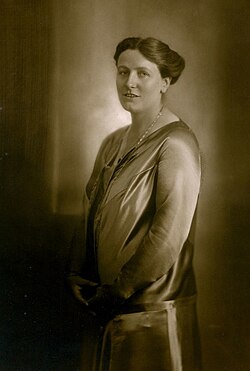 one, and famous in her time; another, of course, was Winifred Wagner. Unity Mitford traveled to Germany in 1933 at the age of 18, became obsessed with Hitler, moved to Berlin a year later, and eventually became very close to him, so much so that Eva Braun became jealous of her. There are connections between Unity and Winifred: Unity’s grandfather was Richard Wagner’s friend and wrote introductions to Houston Stewart Chamberlain’s books. And Unity accompanied Hitler on several of his visits to Bayreuth, when Winifred was running the festival; it’s quite likely that two of them met. They would have had much to talk about: both adored Hitler, and both were virulent antisemites.
We interrupted our last week’s narrative at 1939; by then, Winifred Wagner had been running the Festspielhaus for nine years. That was the last pre-war season: it ended in August, and the war started a month later. That year, Victor de Sabata conducted Tristan und Isolde, Heinz Tietjen the Ring, and Franz von Hoesslin Parsifal (Hoesslin, a popular conductor, married Erna Liebenthal, a Jewish viola player, and by then lived mostly in exile; we’ll tell his life story later this year).
Only three seasons followed under Winifred’s stewardship during the war, 1940 through 1942. Even though she was managing the festival, the Nazi government was in charge. During those years, all stagings were by Tietjen. Hoesslin conducted the Ring in 1940; by 1941 the season was shortened, Tietjen conducted the Ring (Max Lorenz was starring). In 1942 it was Karl Elmendorff’s turn to conduct; that was the last “regular” season till 1951. There were sporadic concert and opera stagings till 1944; the last one was Meistersinger in 1944.
Americans captured Bayreuth on April 16, 1945; the war was over three weeks later. That April, Villa Wahnfried was hit by a bomb, but not Festspielhaus. During the denazification process that followed, Winifred Wagner was banned from running the festival, and management was passed to her sons, Wieland and Wolfgang Wagner. Many of the artists associated with the Festspiel also went through denazification, and the process wasn’t always fair. For example, Heinz Tietjen, Hermann Goering’s friend and ardent supporter of all Nazi programs who fired all Jewish musicians from the Berlin State Opera, was let go with just a mild reprimand. The same happened to Herbert von Karajan, a tremendously talented young conductor, who joined the Nazi Party twice! Wilhelm Furtwängler, on the other hand, went through a difficult denazification process, was ultimately acquitted, but was shunned internationally (Furtwängler never joined the party, clashed with Goebbels many times, and helped scores of Jewish musicians to flee).
Wieland and Wolfgang were the first Wagners free of antisemitism and the ideas of Pan-German art; they were also talented art directors. The festival didn’t reopen till 1951, when Parsifal was staged, directed by Wieland Wagner and conducted by Hans Knappertsbusch (Karajan replaced him for one evening). Wieland died in 1966, and Wolfgang continued on his own. In 2008 he resigned and his daughters, Eva and Katharina, took over (Katharina alone since 2015). Many wonderful (and some bizarre) stagings were produced in this post-WWII, “New Bayreuth” era; prominent conductors were invited, Karl Böhm, Pierre Boulez, Georg Solti, Daniel Barenboim and James Levine among them. The greatest Wagner singers performed in the Festspielhaus. These days, controversies are confined to merits of productions, not ideologies. There’s a dearth of heldentenors, but one hopes that new ones will arrive (Lise Davidsen, on the other hand, is a great Wagnerian soprano, and she already sang in Bayreuth). This year’s staging of the Ring, with its “AI-curated” background projections, was loudly booed by the audience and panned by critics. And yet, even if somewhat diminished, the Bayreuth Festspiel keeps going on as one of the most important German cultural institutions, probably not just in Germany but worldwide.