This Week in Classical Music: September 21, 2026. Bruno Walter at 150, Part 2. When Hitler became Chancellor of Germany on January 30th of 1933, Bruno Walter was in New York. With concerts scheduled in Leipzig (he was then principal conductor of the Gewandhaus Orchestra), he sailed to Germany. Hitler hated Jewish conductors, Walter in particular, but none of the “official” anti-Jewish laws had yet been passed. Nonetheless, the latent German antisemitism was spreading all over the country, as if magically released, and flaring up locally. Leipzig, in the state of Saxony, hadn’t yet been as Nazified as, for example, Prussia; the “coordination laws” that rendered the states powerless hadn’t been passed. And still, the Chief of Police of the city decided that he wouldn’t permit a Jewish conductor to perform in his city. The orchestra board tried to resist, timidly, but to no avail: in the end, the concerts were cancelled. The same thing happened in Berlin, where Walter was about to lead the Berlin Philharmonic. Walter resigned his posts and left Germany for Austria.
He stayed in Austria for the next five years, till the Anschluss in March of 1938. There, he conducted the Vienna Philharmonic, staged operas and actively participated in the Salzburg Festival. In 1936, he became the Artistic Director of the Vienna State Opera, a position held by his beloved teacher and friend, Gustav Mahler (he even occupied the same office). He also traveled widely, conducting in New York and Amsterdam, where he was made the Permanent Guest Conductor of the Concertgebouw Orchestra. He was in Amsterdam when Nazi Germany occupied Austria. In November of 1939, Walter moved to the US.
He settled in Beverly Hills, where a remarkably talented group of German émigrés, many of them Jewish, had found refuge. Thomas Mann, Arnold Schoenberg, Erich Korngold, Hanns Eisler, Bertolt Brecht, Lion Feuchtwanger, Theodor Adorno, and Ernst Lubitsch were just some of the writers, composers, philosophers, performers, and filmmakers who formed this creative community; their arrival greatly enriched the cultural life of the entire country. Over the next 20 years, Walter worked with many leading orchestras, including the New York Philharmonic, the Philadelphia Orchestra, the Chicago and San Francisco Symphonies, and the Los Angeles Philharmonic. Citing his age, he declined to accept a position as music director, but he continued to perform and record widely. Walter became a U.S. citizen in 1946 and maintained his home in California, while also traveling to Europe as World War II ended. In 1950, he conducted the Berlin Philharmonic, 17 years after his concert there had been cancelled by the Nazis.
Bruno Walter died on February 17th of 1962, in his home in Beverly Hills. He was 85. During his long life, he made many wonderful recordings. Last week, we presented two that he made in the 1930s. This week, it’s one of Walter’s latest recordings: Brahms Symphony no. 2, with the New York Philharmonic, made in 1960 (here). A note: Walter was 21 when Brahms died in 1897; there’s a good chance he had heard this symphony being performed during Brahms’s lifetime.

Bruno Walter at 150, Part 2, 2026
This Week in Classical Music: September 21, 2026. Bruno Walter at 150, Part 2. When Hitler became Chancellor of Germany on January 30th of 1933, Bruno Walter was in New York.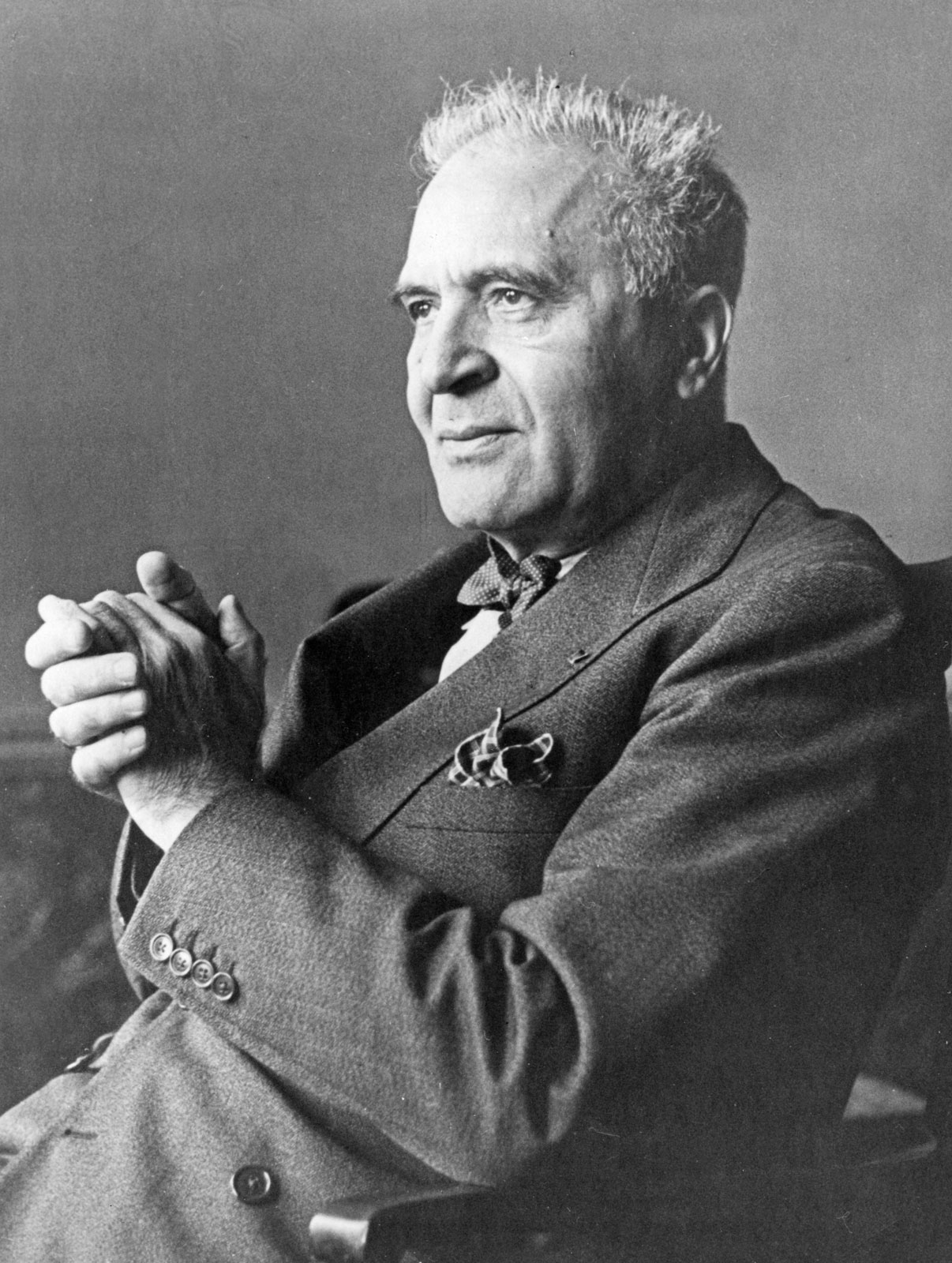 With concerts scheduled in Leipzig (he was then principal conductor of the Gewandhaus Orchestra), he sailed to Germany. Hitler hated Jewish conductors, Walter in particular, but none of the “official” anti-Jewish laws had yet been passed. Nonetheless, the latent German antisemitism was spreading all over the country, as if magically released, and flaring up locally. Leipzig, in the state of Saxony, hadn’t yet been as Nazified as, for example, Prussia; the “coordination laws” that rendered the states powerless hadn’t been passed. And still, the Chief of Police of the city decided that he wouldn’t permit a Jewish conductor to perform in his city. The orchestra board tried to resist, timidly, but to no avail: in the end, the concerts were cancelled. The same thing happened in Berlin, where Walter was about to lead the Berlin Philharmonic. Walter resigned his posts and left Germany for Austria.
He stayed in Austria for the next five years, till the Anschluss in March of 1938. There, he conducted the Vienna Philharmonic, staged operas and actively participated in the Salzburg Festival. In 1936, he became the Artistic Director of the Vienna State Opera, a position held by his beloved teacher and friend, Gustav Mahler (he even occupied the same office). He also traveled widely, conducting in New York and Amsterdam, where he was made the Permanent Guest Conductor of the Concertgebouw Orchestra. He was in Amsterdam when Nazi Germany occupied Austria. In November of 1939, Walter moved to the US.
He settled in Beverly Hills, where a remarkably talented group of German émigrés, many of them Jewish, had found refuge. Thomas Mann, Arnold Schoenberg, Erich Korngold, Hanns Eisler, Bertolt Brecht, Lion Feuchtwanger, Theodor Adorno, and Ernst Lubitsch were just some of the writers, composers, philosophers, performers, and filmmakers who formed this creative community; their arrival greatly enriched the cultural life of the entire country. Over the next 20 years, Walter worked with many leading orchestras, including the New York Philharmonic, the Philadelphia Orchestra, the Chicago and San Francisco Symphonies, and the Los Angeles Philharmonic. Citing his age, he declined to accept a position as music director, but he continued to perform and record widely. Walter became a U.S. citizen in 1946 and maintained his home in California, while also traveling to Europe as World War II ended. In 1950, he conducted the Berlin Philharmonic, 17 years after his concert there had been cancelled by the Nazis.
Bruno Walter died on February 17th of 1962, in his home in Beverly Hills. He was 85. During his long life, he made many wonderful recordings. Last week, we presented two that he made in the 1930s. This week, it’s one of Walter’s latest recordings: Brahms Symphony no. 2, with the New York Philharmonic, made in 1960 (here). A note: Walter was 21 when Brahms died in 1897; there’s a good chance he had heard this symphony being performed during Brahms’s lifetime.