This Week in Classical Music: October 5, 2026. Three pianists. Several important composers and three pianists, one of whom is our favorite, were born this week. We’ll get to the pianists in a minute, but first, the composers. , considered the most important German composer before Bach (he worked during the early Baroque while Bach was at the tail end of the period, when many of his contemporaries were already moving toward the Classical idiom), was born in Köstritz, Thuringia, on October 8th of 1585. Here is Part I of his funeral music (the first one to use the text in German),Musikalische Exequien. It’s called “Concerto in the form of a German funeral mass.”
Giuseppe Verdi, one of the greatest opera composers ever (and many would say the greatest), was born on October 9th (or 10th) of 1813, in Roncole, near Parma. We’ve written about Verdi so many times that all we can do now is illustrate his art with an excerpt from one of his operas. Here, from Act I of La Traviata, starting with E strano!, аrе Joan Sutherland and Luciano Pavarotti. They’re accompanied by the National Philharmonic Orchestra with Richard Bonynge, who just turned 98!
Camille Saint-Saëns, loved by many, but not as much by us (even if we admit that he was a talented composer and apologize to his admirers), was born in Paris on October 9th of 1835. Here’s Saint-Saëns’s Piano Quintet, a piece that isn’t performed often. It’s recorded by Christina Ortiz and the Fine Arts Quartet.
And now to the pianists. Our favorite is Evgeny Kissin. We like him not only because he's a wonderful musician and technically phenomenal; we also very much appreciate his political stance. He’s adamantly opposed to Putin and an aggressive Russia and is very supportive of Ukraine, the victim of Putin’s aggression. He also supports Israel in its fight against enemies, whether the homicidal ones, like Hamas, or just the regular antisemites.
Kissin was born in Moscow on October 10th of 1971, so he’s about to turn 55. His first and only teacher, both at the Gnessin School or later at the Gnessin Institute, was Anna Kantor. Ms Kantor died in June of 2021 at the age of 98; she was living in Prague, where Kissin had been residing since 2016. Kissin made his orchestral debut, playing Mozart’s Piano Concerto no. 20, at the age of 10. One year later, he gave his first piano recital. In 1984, he played both of Chopin’s piano concertos at the Great Hall of the Moscow Conservatory; the concert was a revelation. In 1985 and thereafter, he was allowed to perform abroad; in 1988, he (famously) played Tchaikovsky’s First Piano Concerto with Karajan and the Berlin Philharmonic. Kissin left Russia in 1991, the year the Soviet Union ceased to exist. Kissin has a tremendously successful career, performing all over the world. We may not always agree with his interpretations, but there’s absolutely no doubt that he’s one of the greatest pianists of his generation. Here’s Evgeny Kissin playing Beethoven’s Piano Sonata no. 3.
The Russian (Jewish) – American pianist Shura Cherkassky was born on October 7th of 1909, in Odesa (then Odessa). He was widely considered to be the latest pianist in the great Romantic tradition of the 19th century. Here’s Cherkassky playing Chopin’s Nocturne op. 27, no. 2 in D-flat major, with a wonderful freedom in dynamics and tempo (we find his rubatos, something we’re usually concerned about, quite stylish).
And finally, the Swiss pianist Edwin Fischer, one of the great interpreters of the music of Bach, was born on October 6th of 1886, in Basel.

Three pianists, 2026
This Week in Classical Music: October 5, 2026. Three pianists. Several important composers and three pianists, one of whom is our favorite, were born this week. We’ll get to the pianists in a minute, but first, the composers.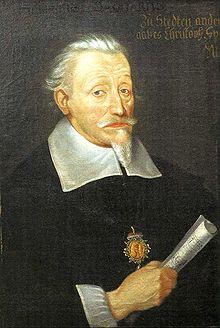 , considered the most important German composer before Bach (he worked during the early Baroque while Bach was at the tail end of the period, when many of his contemporaries were already moving toward the Classical idiom), was born in Köstritz, Thuringia, on October 8th of 1585. Here is Part I of his funeral music (the first one to use the text in German), Musikalische Exequien. It’s called “Concerto in the form of a German funeral mass.”
Giuseppe Verdi, one of the greatest opera composers ever (and many would say the greatest), was born on October 9th (or 10th) of 1813, in Roncole, near Parma. We’ve written about Verdi so many times that all we can do now is illustrate his art with an excerpt from one of his operas. Here, from Act I of La Traviata, starting with E strano!, аrе Joan Sutherland and Luciano Pavarotti. They’re accompanied by the National Philharmonic Orchestra with Richard Bonynge, who just turned 98!
Camille Saint-Saëns, loved by many, but not as much by us (even if we admit that he was a talented composer and apologize to his admirers), was born in Paris on October 9th of 1835. Here’s Saint-Saëns’s Piano Quintet, a piece that isn’t performed often. It’s recorded by Christina Ortiz and the Fine Arts Quartet.
And now to the pianists. Our favorite is Evgeny Kissin. We like him not only because h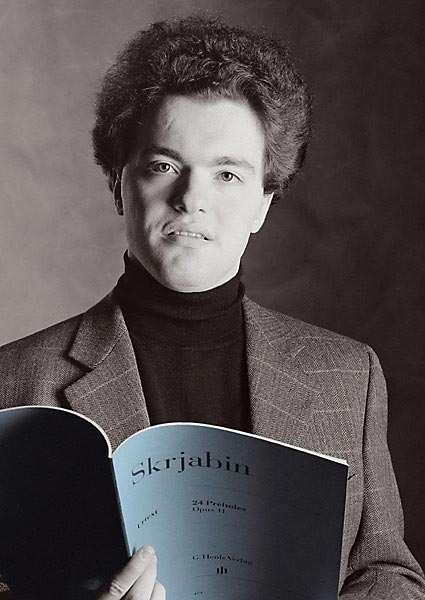 e's a wonderful musician and technically phenomenal; we also very much appreciate his political stance. He’s adamantly opposed to Putin and an aggressive Russia and is very supportive of Ukraine, the victim of Putin’s aggression. He also supports Israel in its fight against enemies, whether the homicidal ones, like Hamas, or just the regular antisemites.
Kissin was born in Moscow on October 10th of 1971, so he’s about to turn 55. His first and only teacher, both at the Gnessin School or later at the Gnessin Institute, was Anna Kantor. Ms Kantor died in June of 2021 at the age of 98; she was living in Prague, where Kissin had been residing since 2016. Kissin made his orchestral debut, playing Mozart’s Piano Concerto no. 20, at the age of 10. One year later, he gave his first piano recital. In 1984, he played both of Chopin’s piano concertos at the Great Hall of the Moscow Conservatory; the concert was a revelation. In 1985 and thereafter, he was allowed to perform abroad; in 1988, he (famously) played Tchaikovsky’s First Piano Concerto with Karajan and the Berlin Philharmonic. Kissin left Russia in 1991, the year the Soviet Union ceased to exist. Kissin has a tremendously successful career, performing all over the world. We may not always agree with his interpretations, but there’s absolutely no doubt that he’s one of the greatest pianists of his generation. Here’s Evgeny Kissin playing Beethoven’s Piano Sonata no. 3.
The Russian (Jewish) – American pianist Shura Cherkassky was born on October 7th of 1909, in Odesa (then Odessa). He was widely considered to be the latest pianist in the great Romantic tradition of the 19th century. Here’s Cherkassky playing Chopin’s Nocturne op. 27, no. 2 in D-flat major, with a wonderful freedom in dynamics and tempo (we find his rubatos, something we’re usually concerned about, quite stylish).
And finally, the Swiss pianist Edwin Fischer, one of the great interpreters of the music of Bach, was born on October 6th of 1886, in Basel.