From Cabezon to Pärt: Four Centuries of Music, 2026
From Cabezon to Pärt: Four Centuries of Music, 2026
This Week in Classical Music: September 7, 2026. From Cabezon to Pärt: Four Centuries of Music.This is an interesting week: composers with birthday anniversaries that cover much of the historical span of Western classical music and are spread geographically across Europe.
On our list, Hernando de Cabezón is the oldest; he was born in Madrid on September 7th of 1541.Hernando was the son of a more famous Antonio de Cabezón.Only a few of his pieces are extant; this Dulce memoriae is one of them (and we think it’s very nice).Rosemary Thomas is at the harpsichord (here).
Hernando de Cabezón never traveled to Italy, which is somewhat surprising: Italy was the place where European music was happening, and Spaniards often went to Rome to study.Our next composer, Girolamo Frescobaldi, was not only born in Italy – he was born in Ferrara, which was then the most important musical center outside of Rome.His birthday is in September of 1583, but the exact date is disputed; it’s either the 9th or the 13th.From the late 15th to the end of the 16th centuries, the d’Este court of Ferrara attracted the most important composers of Europe, from Josquin des Prez to Claudio Monteverdi.Luca Marenzio, Claudio Merulo, John Dowland from England, Giaches de Wert, Carlo Gesualdo – all visited Ferrara during that period.Luzzasco Luzzaschi was the resident court composer, organist, manager of the famous Concerto delle Donne, and Frescobaldi’s teacher.The young Frescobaldi became known as a virtuoso harpsichord player while still living in Ferrara (later he moved to Rome, as the popes took over the city and the court moved to Modena).The harpsichord and organ were Frescobaldi’s favorite instruments.Here’s Frescobaldi’s Toccata duodecima, from the Primo Libro collection.
The great English composer Henry Purcell was born on September 10th of 1659, in London.If Cabezón could be firmly placed in the Renaissance and Frescobaldi somewhere between the Renaissance and Baroque, Purcell’s music is very much of the Baroque era.Purcell lived only 36 years but, being very prolific, left us a large body of work: an opera, a large amount of music for the theater (called semi-operas), some instrumental music, anthems and songs.Here’s Purcell’s Music for the Funeral of Queen Mary.
We’re skipping three composers (we think of them as minor stars): William Boyce, another Englishman, baptized on September 11th of 1711 (he went deaf later in his life but, like Beethoven, continued composing); a Danish composer, FriedrichKuhlau, born on the same day in 1786 (Kuhlau is remembered for his pieces for the flute and piano sonatinas, still a staple at music schools); and Clara Schumann, born on September 13th of 1819.Clara was Robert’s wife, Brahms’s friend, a virtuoso pianist, a major cultural figure, and a composer.
That brings us into the 19th century and two very different composers, Dvořák and Schoenberg.Antonin Dvořák (born on September 8th of 1841) was a Romantic nationalist, as were several East European composers of the time.He was Brahms’s student and, in much of his music, a follower.Several of his symphonies and the cello concerto remain very popular.Arnold Schoenberg (born on September 13th of 1874) couldn’t be more different.The creator of the atonal and later twelve-tone systems, he was one of the most influential composers of the 20th century.Some years ago we had a series of posts about him, here, here, here, and here.
And this leaves us with the last and only living composer in our 400-year-long journey, Arvo Pärt, who was born on September 11th of 1935.A minimalist, in a way, he’s closer to Cabezón than any other composer on our list.But to look back – what a wonderful, tremendously creative ark!
From Cabezon to Pärt: Four Centuries of Music, 2026
This Week in Classical Music: September 7, 2026. From Cabezon to Pärt: Four Centuries of Music. This is an interesting week: composers with birthday anniversaries that cover much of the historical span of Western classical music and are spread geographically across Europe.
On our list, Hernando de Cabezón is the oldest; he was born in Madrid on September 7th of 1541. Hernando was the son of a more famous Antonio de Cabezón. Only a few of his pieces are extant; this Dulce memoriae is one of them (and we think it’s very nice). Rosemary Thomas is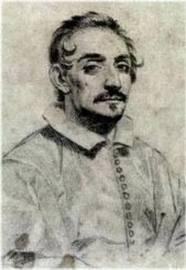 at the harpsichord (here).
Hernando de Cabezón never traveled to Italy, which is somewhat surprising: Italy was the place where European music was happening, and Spaniards often went to Rome to study. Our next composer, Girolamo Frescobaldi, was not only born in Italy – he was born in Ferrara, which was then the most important musical center outside of Rome. His birthday is in September of 1583, but the exact date is disputed; it’s either the 9th or the 13th. From the late 15th to the end of the 16th centuries, the d’Este court of Ferrara attracted the most important composers of Europe, from Josquin des Prez to Claudio Monteverdi. Luca Marenzio, Claudio Merulo, John Dowland from England, Giaches de Wert, Carlo Gesualdo – all visited Ferrara during that period. Luzzasco Luzzaschi was the resident court composer, organist, manager of the famous Concerto delle Donne, and Frescobaldi’s teacher. The young Frescobaldi became known as a virtuoso harpsichord player while still living in Ferrara (later he moved to Rome, as the popes took over the city and the court moved to Modena). The harpsichord and organ were Frescobaldi’s favorite instruments. Here’s Frescobaldi’s Toccata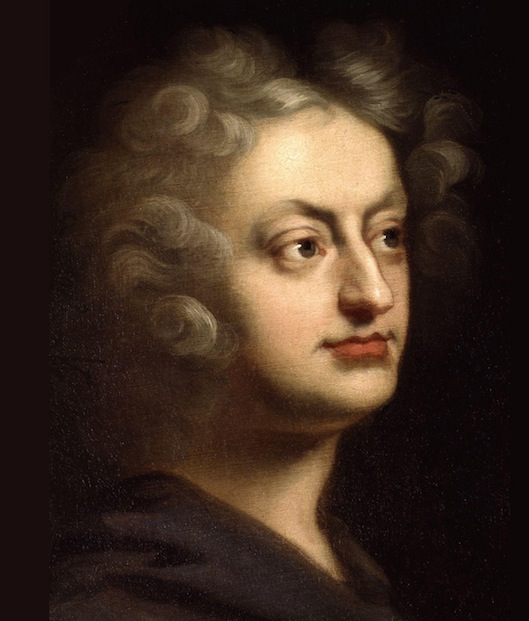 duodecima, from the Primo Libro collection.
The great English composer Henry Purcell was born on September 10th of 1659, in London. If Cabezón could be firmly placed in the Renaissance and Frescobaldi somewhere between the Renaissance and Baroque, Purcell’s music is very much of the Baroque era. Purcell lived only 36 years but, being very prolific, left us a large body of work: an opera, a large amount of music for the theater (called semi-operas), some instrumental music, anthems and songs. Here’s Purcell’s Music for the Funeral of Queen Mary.
We’re skipping three composers (we think of them as minor stars): William Boyce, another Englishman, baptized on September 11th of 1711 (he went deaf later in his life but, like Beethoven, continued composing); a Danish composer, Friedrich Kuhlau, born on the same day in 1786 (Kuhlau is remembered for his pieces for the flute and piano sonatinas, still a staple at music schools); and Clara Schumann, born on September 13th of 1819. Clara was Robert’s wife, Brahms’s friend, a virtuoso pianist, a major cultural figure, and a composer.
That brings us into the 19th century and two very different composers, Dvořák and Schoenberg. Antonin Dvořák (born on September 8th of 1841) was a Romantic nationalist, as were several East European composers of the time. He was Brahms’s student and, in much of his music, a follower. Several of his symphonies and the cello concerto remain very popular. Arnold Schoenberg (born on September 13th of 1874) couldn’t be more different. The creator of the atonal and later twelve-tone systems, he was one of the most influential composers of the 20th century. Some years ago we had a series of posts about him, here, here, here, and here.
And this leaves us with the last and only living composer in our 400-year-long journey, Arvo Pärt, who was born on September 11th of 1935. A minimalist, in a way, he’s closer to Cabezón than any other composer on our list. But to look back – what a wonderful, tremendously creative ark!