
Fleisher, Pires, 2022
This Week in Classical Music: July 18, 2022. Instrumentalists and Singers. We’ll skip several anniversaries, such as Francesco Cilea’s, his opera Adriana Lecouvreur notwithstanding, even though the title soprano role has been sung by such luminaries as Magda Olivero, Renata Tebaldi, Leyla Gencer, Montserrat Caballé, Renata Scotto, Mirella Freni, Joan Sutherland and Angela Gheorghiu. We’ll also skip Ernest Bloch, a Swiss-Jewish-American composer mostly famous for his Schelomo: Rhapsodie Hébraïque, a large-scale work for cello and orchestra. And we’ll also leave out Adolphe Adam who wrote music for such popular ballets as Giselle and Le corsaire. All three of them were born this week, on July 23rd of 1866, July 24th of 1880 and July 24th of 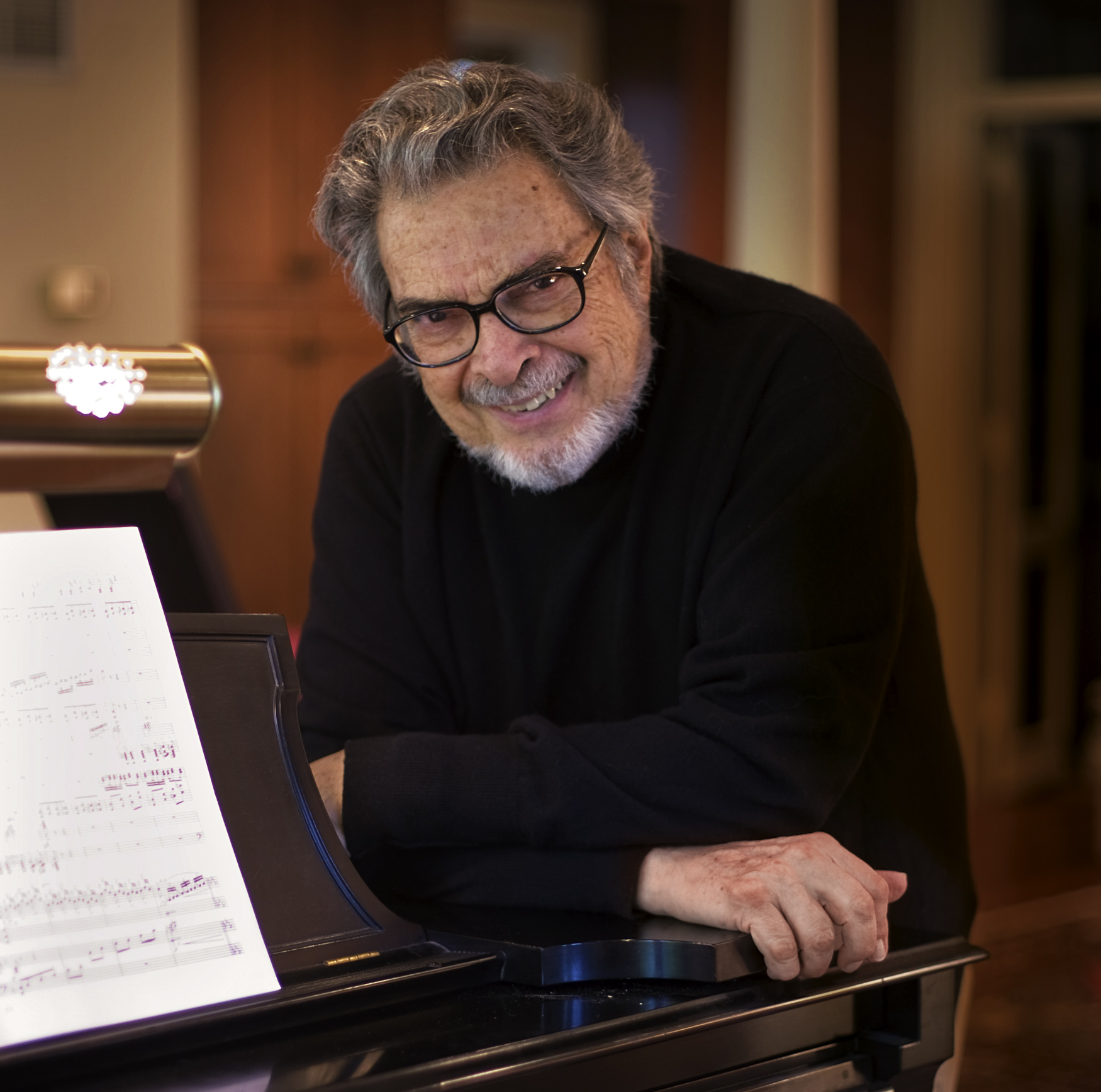 1803 respectively. Instead, we’ll acknowledge several interpreters: the pianists, violinist, and singers.
First, the pianists. Leon Fleisher was born on July 23rd of 1928. Fleisher lived a long life (he died two years ago) but his phenomenal career was cut short in 1964 by problems in his right hand. He continued playing arepertoire for the left hand while trying to find a cure. In 2004, 40 years after being diagnosed with focal dystonia, he regained some use of his right hand, but not on the level of his early years. For almost 60 years Fleisher taught at the Peabody Conservatory of Music; among his students were André Watts, Yefim Bronfman, Hélène Grimaud, and Louis Lortie. Here’s the famous recording of Brahms’s Second Piano Concerto Fleisher made in 1962. George Szell conducts the Cleveland Orchestra.
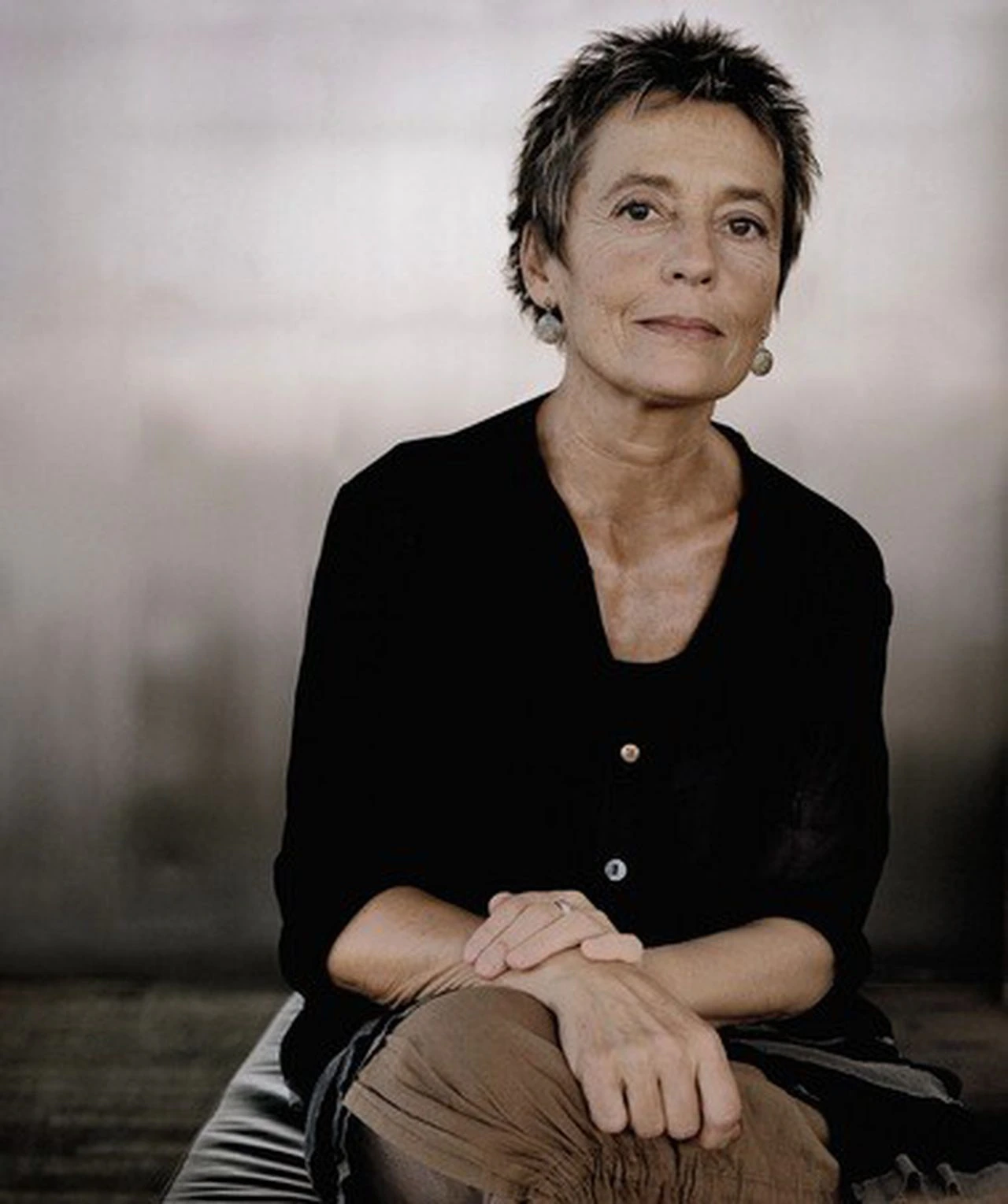
The Portuguese pianist Maria João Pires (pronounced “piresh” in Portuguese) was also born on July 23rd, in 1944. She’s an unusual musician in that she clearly tries to avoid the demands of a virtuoso concert pianist’s life: hundreds of concerts, media presentations and such. Her career is punctuated by pauses, as when she stopped playing in public from 1978 to 1982. Pires’s repertoire is broad, but she seems to be especially close to the music of Mozart and Chopin. Here is Maria João Pires playing Chopin’s Nocturne no.20 In C Sharp Minor, Op. Post. And here she plays Mozart’s Piano Sonata no.11 In A Major K.331. “Crystalline technique” seems to be a very appropriate description of her playing. And integrity.
The violinists. Isaac Stern was born on July 21st of 1920. Two years ago we celebrated his 100th birthday, you can read it here. Ruggiero Ricci was two years older than Stern: he was born on July 24th of 1918 in San Francisco, a son of Italian immigrants. A child prodigy, he played a concert in San Francisco at the age of 10 and at Carnegie Hall at 11. He was the first violinist to record all 24 caprices of Paganini. Even though he had a special affinity for Paganini (in 1971 he premiered the newly discovered Fourth Violin concerto by the composer) he also played a lot of contemporary music, premiering violin concertos by Ginastera, Gottfried von Einem and several other composers. ’s Paganini’s Le Streghe, arranged by Fritz Kreisler. Louis Persinger, who was Ricchi’s teacher when he was eight and then much later, when Ricci was already an acknowledged virtuoso, is on the piano.
We’ll have to come back to the singers another time, but will name them in this post:Pauline Viardot, the famous French mezzo born in Paris to Spanish parents, a lover of many celebrated French writers (and of a Russian, Ivan Turgenev) and also the sister of the diva soprano Maria Malibran, was born on July 18th of 1821. Susan Graham, the wonderful America mezzo, born on July 23rd of 1960. And of course, the great Giuseppe Di Stefano, born on July 24th 101 years ago.
Read more...Wolfgang Amadeus Mozart - Piano Sonata No.11 In A Major K.331
Maria João Pires (Piano)
Frédéric Chopin - Nocturne no. 20 in C sharp minor, Op. posth.
Maria João Pires (Piano)
Birtwistle and Bergonzi, 2022
This Week in Classical Music: July 11, 2022. Birtwistle and Bergonzi. One of the best-known British modern classical composers, Harrison Birtwistle, was born on July 15th of 1934 not far 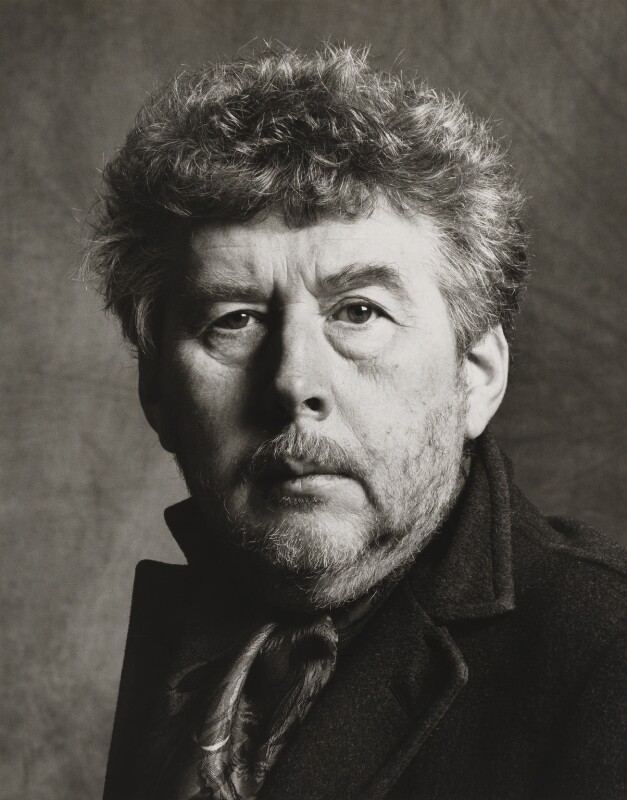 from Manchester (Birtwistle died less than three months ago at the age of 87). His music was thoroughly modern, sometimes evocative of Stravinsky and Messiaen, other times more formal, following Boulez and Stockhausen. In any event, it was very different from the music of the preceding generations of British composers, from Frederick Delius and Ralph Vaughan Williams to Benjamin Britten, although, like Britten, Birtwistle had written a number of operas (seven, to be exact).
The Triumph of Time is one of Harrison Birtwistle’s better known orchestral compositions. It was written in 1971-72. The title came from a complex (and quite macabre) 1574 woodcut by Pieter Bruegel the Elder, which Birtwistle stumbled upon while working on the composition. You can see it here in good resolution. In the woodcut the Time, a muscular middle-aged man, is in a carriage drawn by horses representing Sun and Moon. He’s followed by Death. Part of Bruegel’s inscription at the bottom of the carving says: “All that Time cannot grasp is left for Death,” but Time itself is devouring a child. Birtwistle’s work is far from being literal or macabre, but it is funerial in its overall tone. Birtwistle said of the piece that it’s "a processional in which nothing changes.” Whether it changes or not (and it does), the piece is fascinating and anything but dull, one reason being Birtwistle’s virtuosic use of multiple percussion. You can listen to The Triumph of Time here; it’s performed live by the BBC Symphony Orchestra under the direction of Peter Eötvös.

Carlo Bergonzi, born on July 13th of 1924, was one of the greatest tenors of the mid-20th century and would’ve been even more famous had he not been a contemporary of Franco Corelli,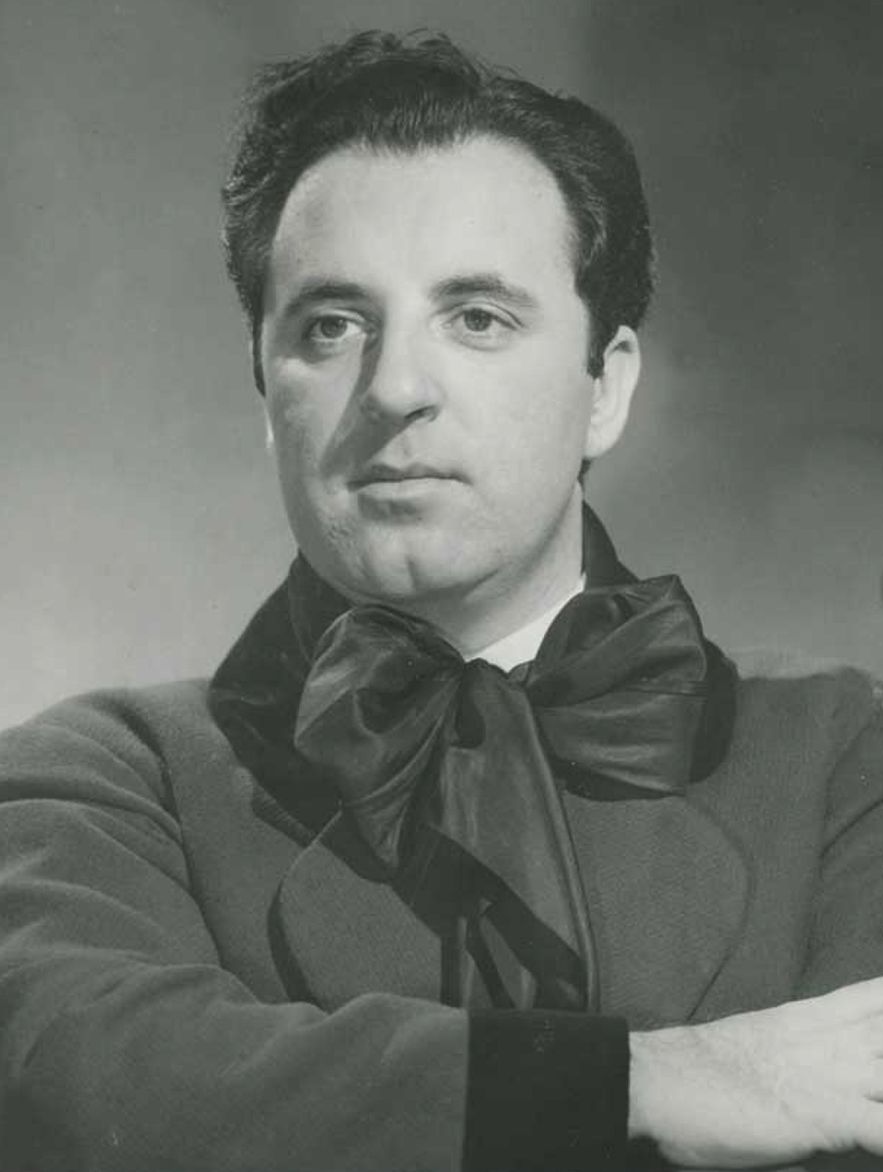 Alfredo Kraus, and compare these magnificent singers with the tenors of today…
Pagliacci, Lescaut in Puccini’s Manon Lescaut, and Rigoletto. Then in 1951 he realized that his voice is naturally better suited for tenor roles and, after retraining and studying the tenor repertory he made a second debut, this time as a tenor in the title role of Andrea Chénier. He made his La Scala debut in 1953 and went on to sing at the famed opera theater for the next 20 years. He first sang in the US in 1955, in Chicago, and a year later debuted at the Met, where he regularly appeared for the next 30 years, till 1988.
Bergonzi sang in more than 40 roles, Verdi’s operas constituting the core of his repertory. Here is the famous Celeste Aida from Act I of Verdi’s Aida in Bergonzi’s superb rendition. Nello Santi conducts the New Philharmonia Orchestra.
Read more...Giuseppe Verdi - Celeste Aida, from Aida
Carlo Bergonzi (Tenor)
New Philharmonia Orchestra (Orchestra)
Nello Santi (Conductor)
Harrison Birtwistle - The Triumph of Time
BBC Symphony Orchestra (Orchestra)
Peter Eötvös (Conductor)
Gustav Mahler, 2022
This Week in Classical Music: July 4, 2022. Mahler. Gustav Mahler was born this week, on July 7th of 1860. We freely admit that for us Mahler remains one of the most important and 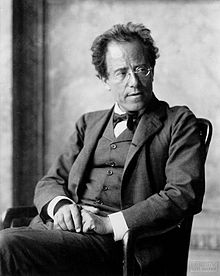 beloved composers and that he has been so for a long time. This is rather unusual, as other composers of genius (and there were many in the last several hundred years) drift in and out, becoming more important and then receding somewhat as tastes change and other music periods come to the fore (take, for example, the overwhelmingly Romantic piano repertoire of the mid-20th century, now being performed sparingly). To think of it, this is unusual for a composer who wrote just nine full symphonies, part of a tenth, a symphony/song cycle (Das Lied von der Erde), and several other song cycles – that’s practically it. All of Mahler’s music could be played in less than 20 hours. Compare it with Beethoven’s output (nine symphonies, five piano concertos, plus 32 piano sonatas, a violin concerto, nine violin sonatas, a full-length opera, 17 string quartets and much more) or Bach’s, with more than 200 cantatas alone, plus Passions, oratorios, concertos, and numerous other pieces for individual instruments and ensembles. During the last century, Mahler also played a significant extra-musical role, serving as a litmus test in the ongoing culture wars, starting with the Nazis and all the way to our time (we’ll come back to this issue later).
For several years we’ve been traversing Mahler’s life using his symphonies as guideposts. A couple of years ago we finished our entry about the Seventh symphony writing, “The years 1904 – 1905 were good to Mahler. He was acknowledged as a great opera conductor, and his symphonic programs with the Philharmonic were popular. Some of his compositions even had critical and popular success (Symphony no. 7 would not go on to be one of them). He lived very comfortably, was happily married, and his second daughter, Anna, was born in 1904. He had many friends and admirers among musicians and developed a special relationship with the Concertgebouw Orchestra and its conductor Willem Mengelberg. Just three years later Mahler would have to leave Hofoper, hounded by antisemitic music critics; in 1907 his first daughter, Maria, would die of scarlet fever and his marriage to Alma would be on the rocks.”
Mahler composed most of his Eighth symphony in the summer of 1906, at the end of his “happy period,” not, of course, that he was aware of it and of what was to come. His Sixth symphony was premiered in May of that year in Essen, with Mahler conducting, and in June he took his family to Maiernigg in Carinthia, where he had a villa overlooking the Wörthersee (lake Wörth). He had been going to Maiernigg since 1900 and in 1901 had a “composing hut” built there, to which he would retreat, alone, to write and contemplate. That’s where he composed all of his symphonies from the Forth to the Eighth. The latter was written very quickly, in just two months, though some changes were made later. The Eighth was called “Symphony of a Thousand” by its original promoter, Emil Gutmann, as it required a huge orchestra, vocal soloists, two regular choirs and one children’s choir (the real number of performers was smaller than one thousand and Mahler disapproved of the moniker). The symphony consists of two parts rather than the usual several movements - a relatively short Part One, based on the traditional Latin text of the hymn Veni Creator Spiritus, and Part Two, which runs about an hour or more, depending on the conductor, and is based on the closing scene of Goethe's Faust.
The Eighth was premiered in Munich on September 12th of 1910. It was the last time that Mahler would conduct a premier of his symphony. Emil Gutmann promoted it heavily and the public’s anticipation was enormous. Here are just some of the cultural figures in attendance: composers Richard Strauss, Camille Saint-Saëns and Anton Webern; the leading writers of Germany, Thomas Mann, and Austria, Arthur Schnitzler; and Leopold Stokowski, who would conduct the American premier of the symphony several years later. The performance was an unqualified success, which is rather surprising, considering that a more accessible Sixth symphony was received coolly. Thomas Mann sent Mahler an effusive congratulatory letter and later gave the writer Gustav von Aschenbach, the protagonist of his novella Death in Venice the “Mask of Mahler.” Some year later the great Italian director Luchino Visconti took it a step further and made Aschenbach into a composer and used the Adagietto from Mahler’s Fifth symphony as the movie’s main theme, popularizing it for years to come.
We’ll hear the famous 1972 recording of the symphony made by Sir Georg Solti conducting the Vienna Boys Choir, the Choir of the Vienna Musikverein, the Choir of the Vienna State Opera, the Chicago Symphony, and several vocalists, among them the soprano Lucia Popp, the tenor René Kollo and the bass Martti Talvela. Part 1 is here, part 2 – here.
Read more...Gustav Mahler, 2022
This Week in Classical Music: July 4, 2022. Mahler. Gustav Mahler was born this week, on July 7th of 1860. We freely admit that for us Mahler remains one of the most important and beloved composers and that he has been so for a long time. This is rather unusual, as other composers of genius (and there were many in the last several hundred years) drift in and out, becoming more important and then receding somewhat as tastes change and other music periods come to the fore (take, for example, the overwhelmingly Romantic piano repertoire of the mid-20th century, now being performed sparingly). To think of it, this is unusual for a composer who wrote just nine full symphonies, part of a tenth, a symphony/song cycle (Das Lied von der Erde), and several other song cycles – that’s practically it. All of Mahler’s music could be played in less than 20 hours. Compare it with Beethoven’s output (nine symphonies, five piano concertos, plus 32 piano sonatas, a violin concerto, nine violin sonatas, a full-length opera, 17 string quartets and much more) or Bach’s, with more than 200 cantatas alone, plus Passions, oratorios, concertos, and numerous other pieces for individual instruments and ensembles. During the last century, Mahler also played a significant extra-musical role, serving as a litmus test in the ongoing culture wars, starting with the Nazis and all the way to our time (we’ll come back to this issue later).
For several years we’ve been traversing Mahler’s life using his symphonies as guideposts. A couple of years ago we finished our entry about the Seventh symphony writing, “The years 1904 – 1905 were good to Mahler. He was acknowledged as a great opera conductor, and his symphonic programs with the Philharmonic were popular. Some of his compositions even had critical and popular success (Symphony no. 7 would not go on to be one of them). He lived very comfortably, was happily married, and his second daughter, Anna, was born in 1904. He had many friends and admirers among musicians and developed a special relationship with the Concertgebouw Orchestra and its conductor Willem Mengelberg. Just three years later Mahler would have to leave Hofoper, hounded by antisemitic music critics; in 1907 his first daughter, Maria, would die of scarlet fever and his marriage to Alma would be on the rocks.”
Mahler composed most of his Eighth symphony in the summer of 1906, at the end of his “happy period,” not, of course, that he was aware of it and of what was to come. His Sixth symphony was premiered in May of that year in Essen, with Mahler conducting, and in June he took his family to Maiernigg in Carinthia, where he had a villa overlooking the Wörthersee (lake Wörth). He had been going to Maiernigg since 1900 and in 1901 had a “composing hut” built there, to which he would retreat, alone, to write and contemplate. That’s where he composed all of his symphonies from the Forth to the Eighth. The latter was written very quickly, in just two months, though some changes were made later. The Eighth was called “Symphony of a Thousand” by its original promoter, Emil Gutmann, as it required a huge orchestra, vocal soloists, two regular choirs and one children’s choir (the real number of performers was smaller than one thousand and Mahler disapproved of the moniker). The symphony consists of two parts rather than the usual several movements - a relatively short Part One, based on the traditional Latin text of the hymn Veni Creator Spiritus, and Part Two, which runs about an hour or more, depending on the conductor, and is based on the closing scene of Goethe's Faust.
The Eighth was premiered in Munich on September 12th of 1910. It was the last time that Mahler would conduct a premier of his symphony. Emil Gutmann promoted it heavily and the public’s anticipation was enormous. Here are just some of the cultural figures in attendance: composers Richard Strauss, Camille Saint-Saëns and Anton Webern; the leading writers of Germany, Thomas Mann, and Austria, Arthur Schnitzler; and Leopold Stokowski, who would conduct the American premier of the symphony several years later. The performance was an unqualified success, which is rather surprising, considering that a more accessible Sixth symphony was received coolly. Thomas Mann sent Mahler an effusive congratulatory letter and later gave the writer Gustav von Aschenbach, the protagonist of his novella Death in Venice the “Mask of Mahler.” Some year later the great Italian director Luchino Visconti took it a step further and made Aschenbach into a composer and used the Adagietto from Mahler’s Fifth symphony as the movie’s main theme, popularizing it for years to come.
We’ll hear the famous 1972 recording of the symphony made by Sir Georg Solti conducting the Vienna Boys Choir, the Choir of the Vienna Musikverein, the Choir of the Vienna State Opera, the Chicago Symphony, and several vocalists, among them the soprano Lucia Popp, the tenor René Kollo and the bass Martti Talvela. Part 1 is here, part 2 – here.
Read more...Gustav Mahler - Symphony No. 8, Part 2
Chicago Symphony Orchestra (Orchestra)
Vienna Choruses (Chorale)
Georg Solti (Conductor)
Niccolò Paganini - Le Streghe
Ruggiero Ricci (Violin)
Louis Persinger (Piano)